South Africa's Data Center Expansion Creates Governance Challenges Amidst Resource Scarcity
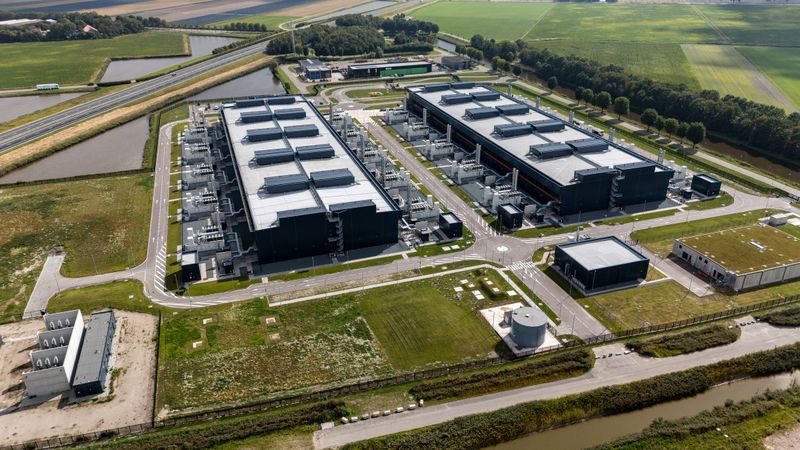
Cape Town's approval of two large data center projects has sparked significant public concern due to their immense resource requirements. These facilities will demand an annual electricity supply of 174 megawatts and consume billions of liters of water. This development occurs in a nation already grappling with severe energy instability and chronic water shortages. While the environmental impact is a valid point of anxiety, focusing solely on resource strain overlooks a more profound issue related to digital governance. The scale of these projects highlights a paradox where rapid technological expansion clashes with existing infrastructure and resource management capabilities. The approval process and subsequent public reaction underscore the need for a more comprehensive approach to digital infrastructure development that accounts for broader societal and environmental implications.
The rapid expansion of data centers in South Africa, exemplified by Cape Town's recent authorizations, presents a critical juncture for national digital governance. While the economic benefits of such infrastructure are often touted, the substantial electricity and water demands, particularly within a context of existing resource scarcity, highlight a potential misalignment between technological ambition and sustainable development strategy. This situation prompts an examination of regulatory frameworks to ensure that digital infrastructure growth is integrated with long-term resource planning and national resilience. Future policy must proactively address the trade-offs between digital advancement and the imperative to secure essential resources, fostering a balanced approach that supports both innovation and societal well-being over the next decade.
AI-generated to prompt reflection — not editorial opinion, not advice, not a statement of fact. How this works.