South Africa's Famous Rooibos Tea Seeds to Journey to the International Space Station
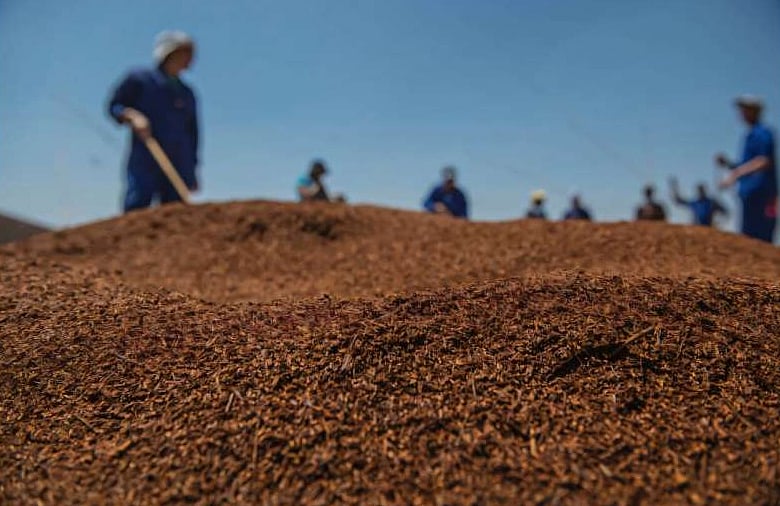
South Africa's renowned rooibos tea seeds are set to embark on a pioneering journey to the International Space Station (ISS) this October. This mission, supported by MaxQ Space, marks the first time a plant or seed from an African region will undergo such an experiment in space. The primary objective is to study how these seeds react to the extreme conditions of space, including microgravity and radiation. Scientists are keen to understand how life on Earth responds to the harsh cosmic environment, with an eye toward future sustainable food production in potential human settlements on the Moon or Mars. The rooibos seeds are expected to return to Earth between December and January 2027 for further study.
According to Dawie de Villiers, director of the South African Rooibos Council, these seeds will be the first indigenous South African species and the first seeds from the African continent to travel to space. They will be housed within a NanoLab for at least six weeks. This initiative is also part of an educational program by MaxQ Space, engaging over a dozen students in science, technology, engineering, and mathematics (STEM) education. After their return, the seeds will be germinated alongside regular soil seeds, allowing students to research differences in germination and growth rates, contributing to global research on the effects of space on plants.
Rooibos, meaning 'red bush' in Afrikaans, is a unique South African plant whose leaves produce a sweet, caffeine-free tea rich in antioxidants, gaining global popularity. In 2021, the European Union protected its designation, restricting the sale of leaves not originating from the Cederberg region of South Africa's Western Cape. Annually, South Africa produces approximately 22,000 tons of rooibos, with about half consumed domestically and the rest exported to over 50 countries worldwide, including Japan, France, Germany, the Netherlands, and the UK.
This mission highlights a growing intersection of space exploration and agricultural science, driven by the long-term goal of extraterrestrial food security. By studying the resilience and adaptability of a unique plant like rooibos, researchers aim to gather crucial data for developing sustainable food systems beyond Earth. The project also serves an important educational purpose, fostering interest in STEM fields among young students by involving them in a tangible, high-profile scientific endeavor. Examining the effects of microgravity and radiation on seed viability and growth could inform future bioengineering efforts for space-faring agriculture, potentially revealing novel adaptations or vulnerabilities that could be leveraged for Earth-based agricultural innovation as well.
AI-generated to prompt reflection — not editorial opinion, not advice, not a statement of fact. How this works.