South Africa's Finance Minister Gains Influence with Presidential Support
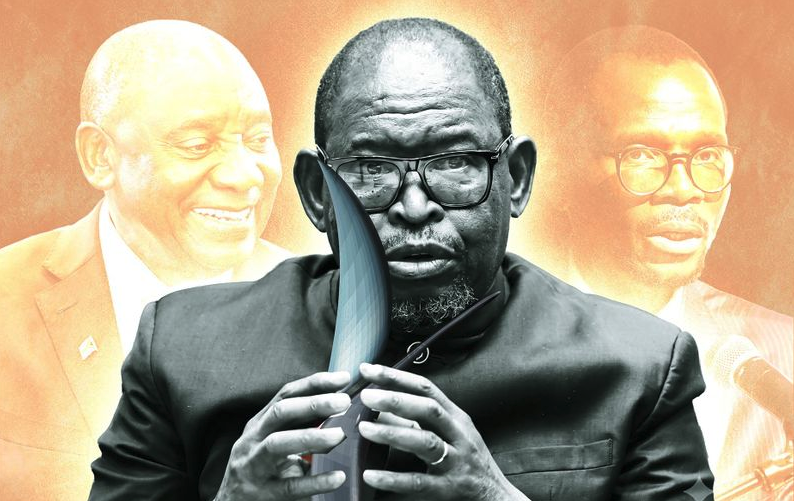
South African Finance Minister Enoch Godongwana is demonstrating increased authority, particularly in his upcoming decisions regarding the Public Investment Corporation (PIC). As he prepares to announce a new board for the PIC, it is evident that he is now in a pivotal position to shape its direction. Godongwana's recent actions concerning the PIC and his engagement with municipalities underscore his capacity to make significant decisions. Crucially, these moves are being made with the explicit backing of President Ramaphosa, indicating a strong alignment between the two leaders. This presidential support appears to embolden Godongwana, allowing him to proceed with his agenda with confidence. The article suggests that Godongwana's influence is growing, positioning him as a key figure in the nation's financial and administrative landscape. His ability to direct events at the PIC and manage municipal affairs highlights a consolidation of power, facilitated by the President's endorsement. This dynamic suggests a period of focused policy implementation driven by the Finance Minister.
The narrative highlights a concentration of power within the South African executive, with Finance Minister Enoch Godongwana leveraging presidential endorsement to assert influence over key state entities like the Public Investment Corporation and municipal governance. This dynamic suggests an alignment of strategic priorities between the President and the Finance Minister, potentially aimed at driving specific policy outcomes. From a governance perspective, such consolidation can expedite decision-making but also warrants scrutiny regarding accountability and the potential for reduced checks and balances. The coming decade will likely see continued emphasis on efficient resource allocation and institutional reform, making the effective and transparent management of entities like the PIC critical for South Africa's economic trajectory and public trust.
AI-generated to prompt reflection — not editorial opinion, not advice, not a statement of fact. How this works.