South Africa's Lobbying Gap: Unregulated Practices Contrast with International Standards
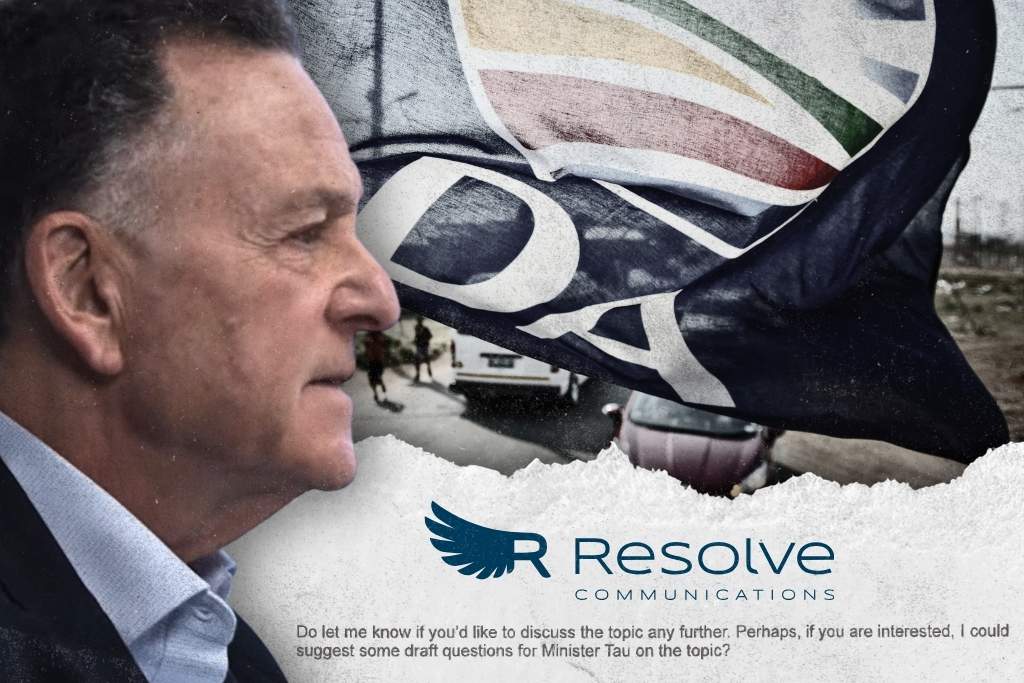
In South Africa, lobbying practices remain largely unregulated, allowing for potentially undisclosed meetings between public officials and private interests. A recent example involved a former party leader's public affairs firm facilitating a meeting between a minister and a foreign tech billionaire's company. This situation stands in stark contrast to countries like Ireland, Canada, and Germany, where such activities, particularly when undisclosed, would be considered illegal. The lack of stringent regulations in South Africa raises questions about transparency and potential undue influence in policy-making processes. While other nations have established legal frameworks to govern lobbying, South Africa's approach leaves a significant gap. This disparity highlights a need for South Africa to consider implementing robust lobbying regulations to ensure accountability and public trust. The current environment may foster an uneven playing field, where well-connected entities can exert influence without public scrutiny. Addressing this regulatory deficit is crucial for strengthening democratic governance and ensuring that decisions are made in the public interest.
The disparity in lobbying regulations between South Africa and countries like Ireland, Canada, and Germany highlights differing approaches to managing potential conflicts of interest and ensuring transparent governance. While South Africa's current environment may offer flexibility for private sector engagement, it also presents risks of opaque influence peddling, potentially undermining public trust and equitable policy outcomes. International precedents suggest that clear disclosure requirements and registration for lobbyists can foster accountability and level the playing field. The long-term implications for South Africa's investment climate and democratic health may depend on whether it opts to strengthen its regulatory framework to align with global best practices, thereby mitigating risks and enhancing confidence in its decision-making processes.
AI-generated to prompt reflection — not editorial opinion, not advice, not a statement of fact. How this works.