South Africa's New Wildlife Guidelines Criticized for Lack of Legal Force and Animal Welfare Focus
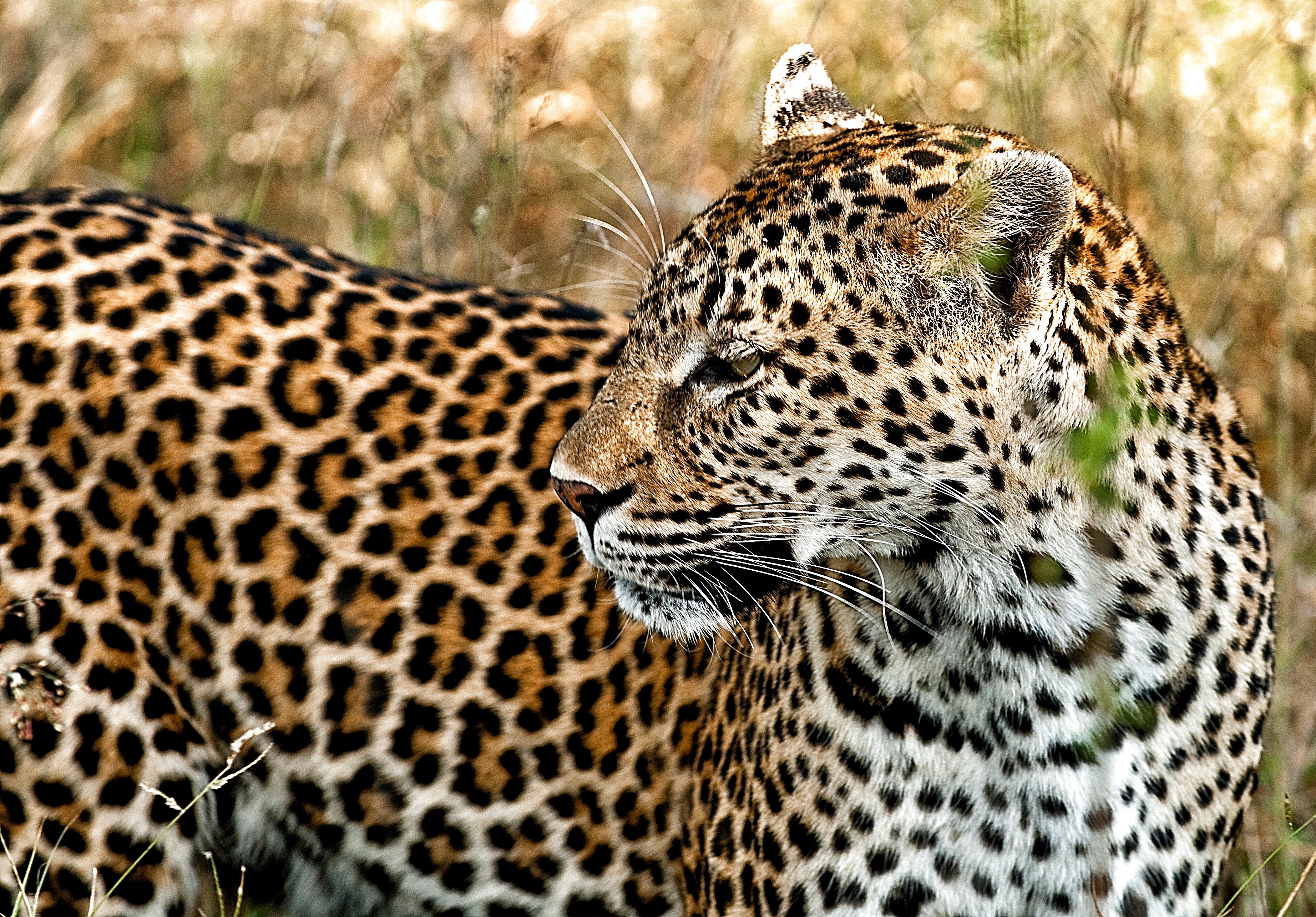
South Africa has released new draft guidelines intended to provide a more structured and compassionate approach to managing animals that pose a threat to livestock and agricultural activities. These guidelines aim to address issues arising from 'problem animals' that damage crops and endanger farm animals. However, critics argue that the proposed policies have been significantly weakened by the removal of their legal enforceability. This omission means the guidelines may not be consistently applied or adhered to by relevant authorities and stakeholders. Furthermore, concerns have been raised that the draft overlooks crucial aspects of animal well-being, failing to adequately consider the welfare of the animals involved in these human-wildlife conflicts. The current approach is also described as predominantly reactive, focusing on responding to incidents after they occur rather than implementing proactive strategies to prevent such conflicts from arising in the first place. This reactive stance may perpetuate a cycle of conflict rather than fostering long-term coexistence between humans and wildlife.
The newly drafted wildlife guidelines in South Africa appear to shift from a strictly punitive approach to 'problem animals' towards a more humane response. However, the removal of legal force from these guidelines raises questions about their practical efficacy and the commitment to their implementation. Without legal backing, adherence may become voluntary, potentially undermining the stated goals of an orderly and humane response. The critique regarding the neglect of animal well-being and the reactive nature of the policy suggests a potential systemic gap. Future policy development could benefit from integrating robust animal welfare considerations and prioritizing preventive measures, such as habitat management and community engagement, to foster sustainable human-wildlife coexistence. This would align with a more forward-thinking, proactive conservation strategy that addresses the root causes of conflict rather than solely managing its symptoms, potentially reducing future incidents and the need for reactive interventions.
AI-generated to prompt reflection — not editorial opinion, not advice, not a statement of fact. How this works.