South Africa's Persistent Systemic Challenges
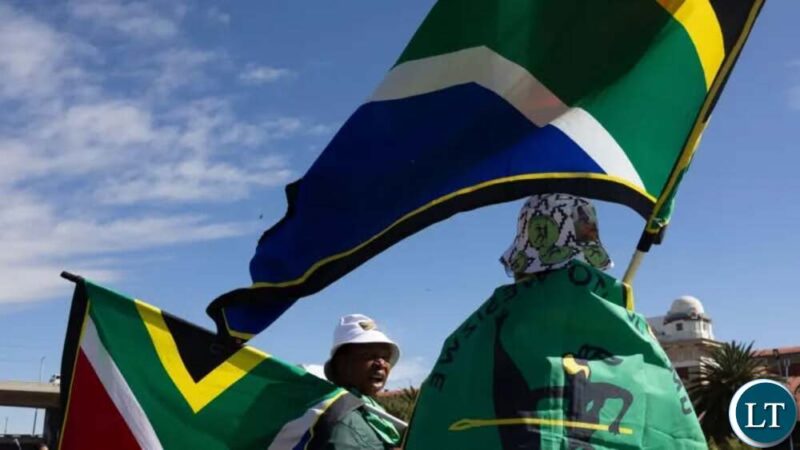
The article discusses how, despite political changes and declarations of democratic transitions in South Africa, underlying systems of wealth, influence, power, and economic relationships often endure. It suggests that these structures do not vanish simply because governments change or constitutions are rewritten. The piece implies that a deeper examination is needed to understand the long-term survival of these systemic elements long after political revolutions are seemingly complete. It poses the question of how societies confront these uncomfortable historical realities and the persistence of established systems.
The enduring nature of systemic structures post-political transition highlights a common challenge in governance and societal evolution. While democratic reforms can alter political landscapes, the deep-rooted economic and power dynamics often require more profound and sustained interventions. Understanding the incentives that perpetuate these systems, alongside the potential for technological and market forces to reshape them over the next decade, is crucial. Future progress may depend on innovative approaches that address both the political and economic architectures simultaneously, fostering equitable distribution of wealth and influence.
AI-generated to prompt reflection — not editorial opinion, not advice, not a statement of fact. How this works.