South Africa's R440 Billion Transmission Network Expansion Tests Private Investment and Local Industry
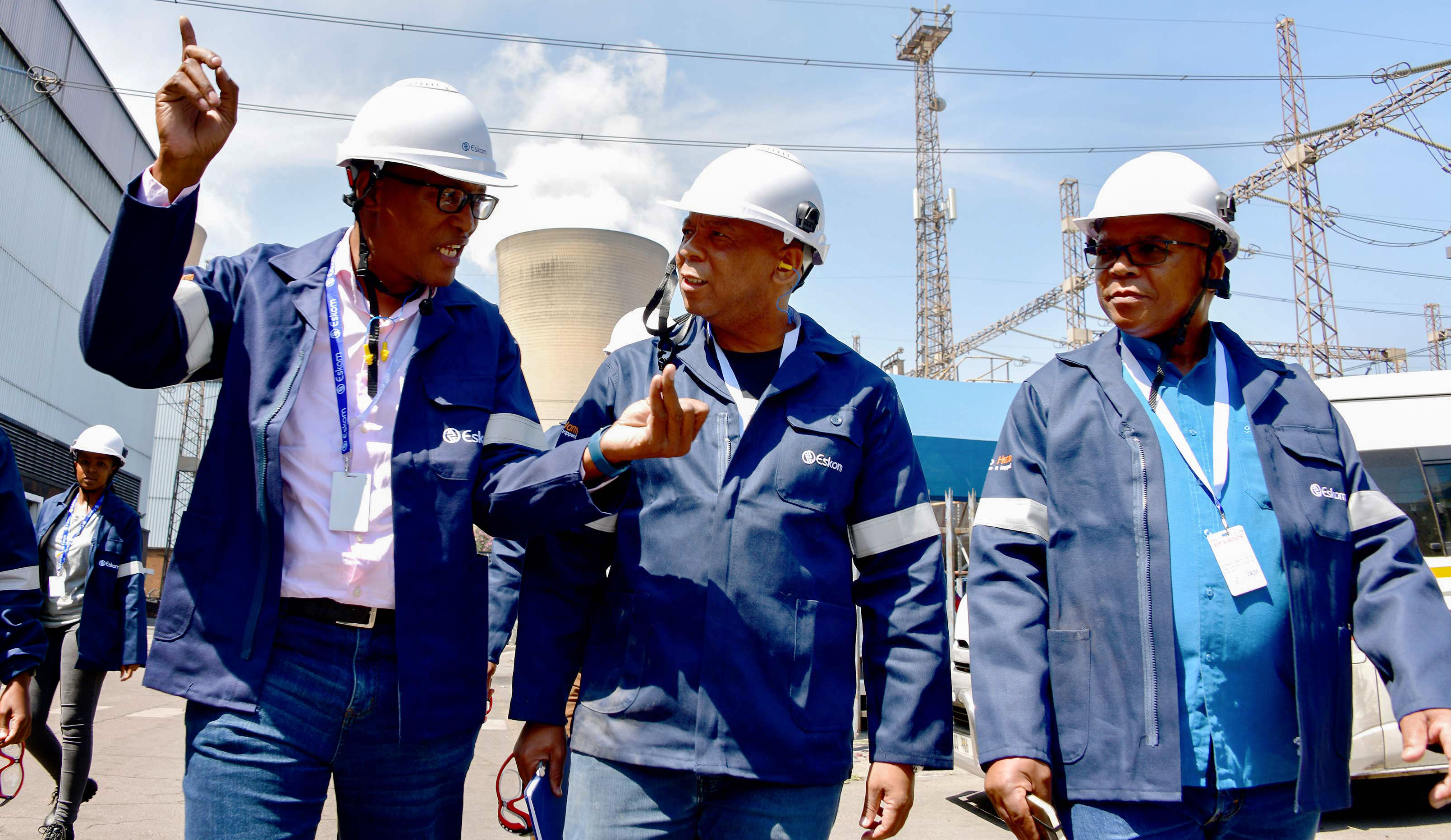
South Africa is shifting its focus in addressing its electricity crisis from power generation to transmission infrastructure. The country aims to build out its transmission network, a move valued at R440 billion. This significant investment presents a critical test for attracting private capital. It also serves as a benchmark for the capabilities of the local industry to participate in and benefit from such large-scale projects. The success of this transmission build is crucial for ensuring reliable electricity supply across the nation. This initiative represents a major shift in the country's energy strategy. It highlights the challenges and opportunities in modernizing aging infrastructure.
South Africa's pivot to transmission infrastructure development signifies a recognition that grid capacity, rather than generation alone, is now a primary bottleneck for electricity access. The substantial R440 billion allocation underscores the scale of the challenge and the reliance on private capital to bridge this gap. This presents a complex interplay between public policy objectives and private sector incentives. The success of this endeavor will depend on creating a regulatory and investment environment that de-risks private participation while ensuring alignment with national energy goals. Furthermore, fostering local industry involvement requires strategic planning to build capacity and ensure that domestic firms can effectively compete and contribute to this critical infrastructure upgrade, potentially setting a precedent for future large-scale projects in the region.
AI-generated to prompt reflection — not editorial opinion, not advice, not a statement of fact. How this works.