South Africa's Rugby World Cup Strategy: Calculated Risk for Future Success
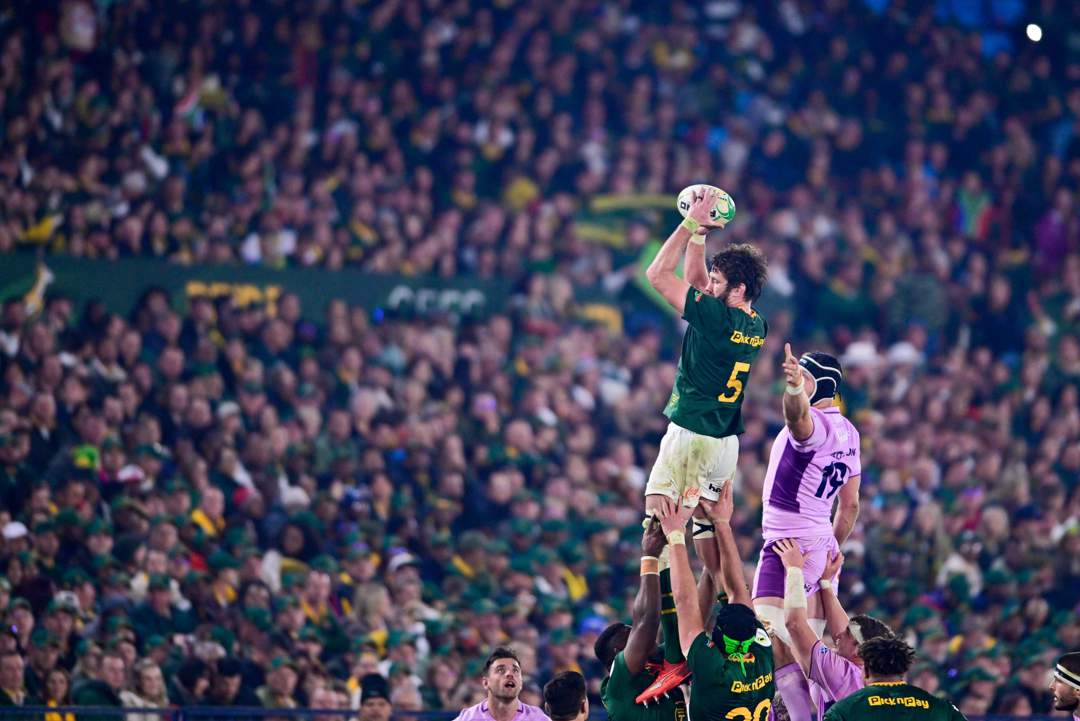
The recent strategic decisions made by Rassie Erasmus, the South African rugby director, have been characterized as a high-stakes gamble. For years, Erasmus has implemented significant changes to the team's approach, seemingly courting potential failure. However, in a surprising turn of events, these bold moves did not result in the anticipated downfall. Instead, the team narrowly avoided disaster, a situation that ironically appears to have strengthened the prospects for the 2027 Rugby World Cup campaign. This outcome suggests that Erasmus's willingness to take calculated risks, even when they approach the brink of peril, is a deliberate strategy. The author, Simnikiwe Xabanisa, posits that this 'rolling of the dice' is precisely what the project needs to build resilience and achieve long-term success on the global stage. The near-miss experience, rather than being a cause for concern, is framed as a beneficial test for the team's future endeavors.
The strategic approach of Rassie Erasmus, as described, highlights a tension between short-term performance stability and long-term developmental goals. By embracing calculated risks that push the team to the edge of failure, the leadership may be intentionally fostering adaptability and resilience. This methodology, while potentially unsettling for stakeholders focused on immediate results, could be designed to rigorously test and refine player and team capabilities under pressure. Such an approach might be viewed as a mechanism to identify and address systemic weaknesses before they become critical in future high-stakes tournaments, aligning with a forward-looking strategy that prioritizes enduring competitive advantage over consistent, but potentially stagnant, present-day success. The underlying principle appears to be that overcoming adversity, even narrowly, builds a more robust foundation for future achievements.
AI-generated to prompt reflection — not editorial opinion, not advice, not a statement of fact. How this works.