South Africa's Social Grants: Banks' Fees and Data Concerns in Recipient Verification
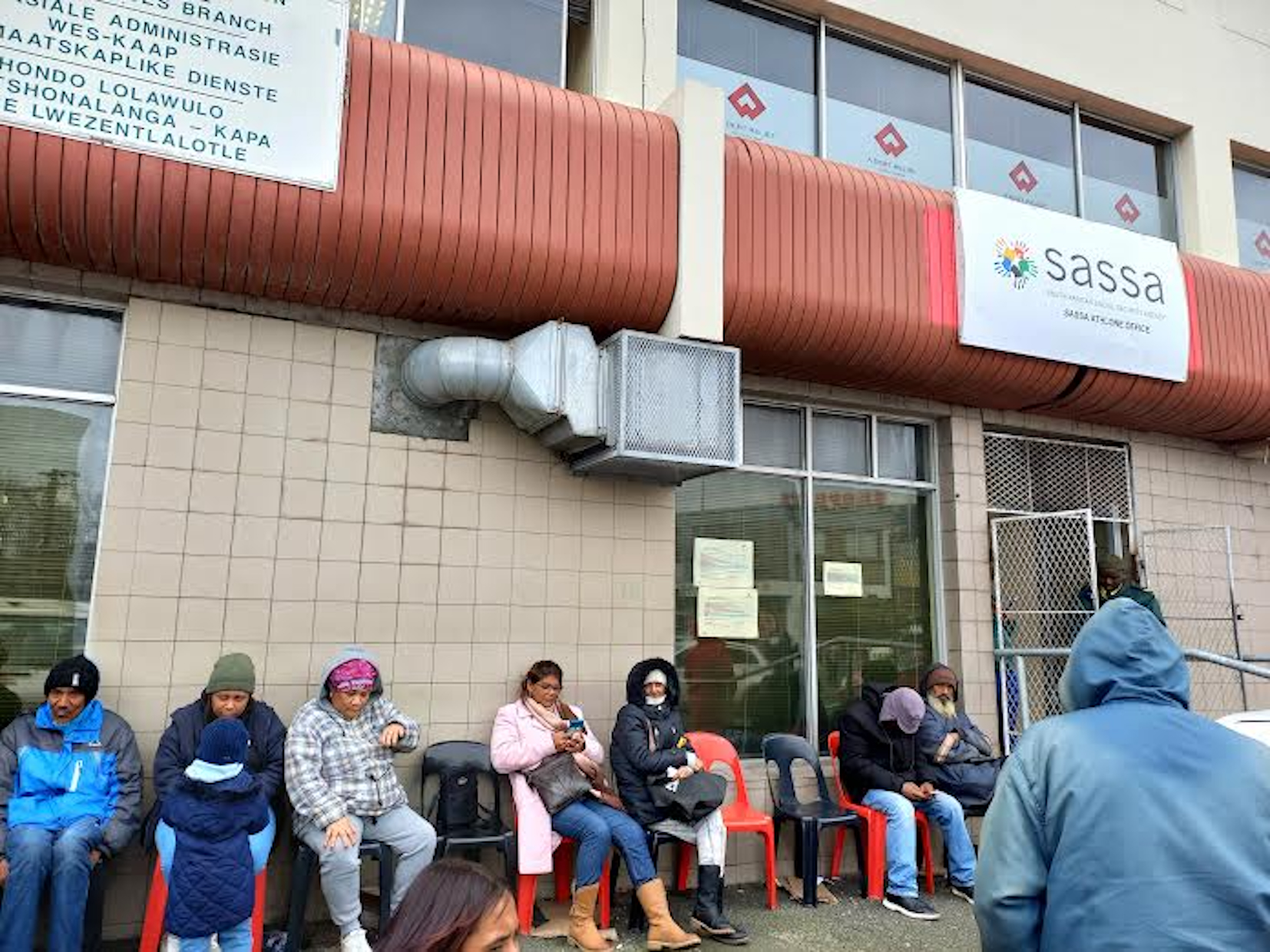
This article delves into the financial aspects and data implications of South African banks verifying recipients of social grants. Following up on a previous piece that explained the government's decision to extend the use of banks for this purpose and the mechanics of the process, this installment focuses on the costs associated with these banking services. It aims to provide a clear understanding of how much financial institutions are charging the government for their role in administering social grants. Furthermore, the article scrutinizes the potential consequences of relying on banks for verification, particularly concerning the privacy and security of grant recipients' personal data. The examination seeks to shed light on the economic and ethical considerations arising from this public-private partnership in social welfare.
The South African government's reliance on commercial banks for social grant recipient verification highlights a common trend of outsourcing public service functions to private entities. While this approach can potentially streamline administrative processes and leverage existing technological infrastructure, it raises critical questions about cost-effectiveness and data governance. The fees charged by banks represent a direct cost to the public purse, necessitating a transparent and competitive bidding process to ensure value for money. Moreover, the handling of sensitive personal data by financial institutions, even for public service purposes, requires robust data protection frameworks and clear accountability mechanisms. Future considerations should involve evaluating the long-term sustainability of such partnerships, exploring alternative verification methods that may be more cost-efficient or secure, and ensuring that the primary objective of efficiently and equitably distributing social grants to those in need remains paramount.
AI-generated to prompt reflection — not editorial opinion, not advice, not a statement of fact. How this works.
