South Africa's Unregulated Lobbying Needs Clear Rules and Oversight
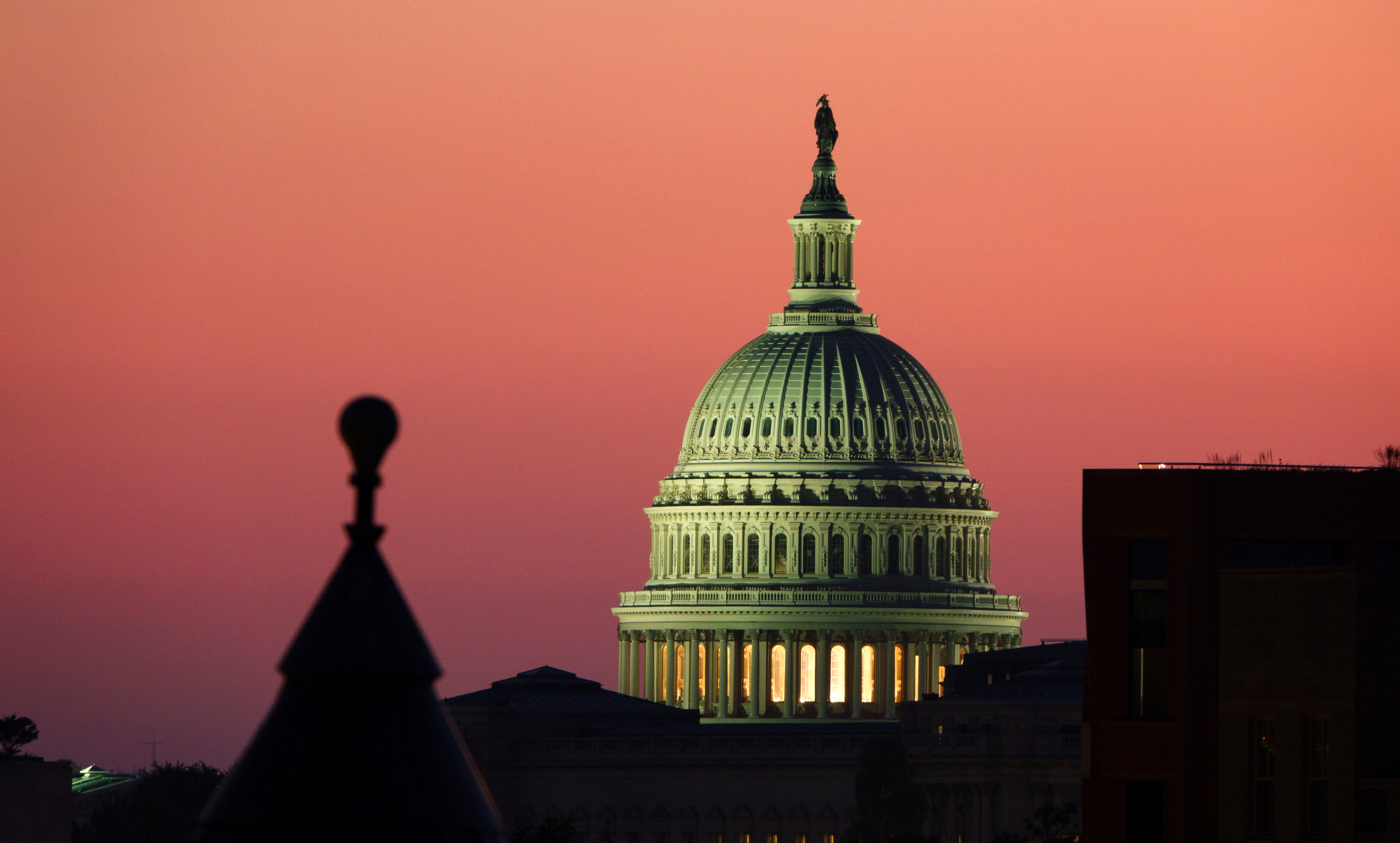
South Africa faces a significant challenge with its largely unregulated lobbying sector, which, despite being a natural part of democratic policy-making, is ripe for abuse due to a lack of oversight. Experts and observers suggest that the country urgently needs to implement clear regulations and mandatory disclosure requirements for lobbying activities. This would help bring transparency and accountability to a process that currently operates with minimal checks and balances. The absence of a formal framework allows for potential undue influence on policy decisions, undermining public trust and fair representation. While no system is perfect, South Africa could draw lessons from international models, such as the United States, which has established mechanisms for regulating lobbying. Implementing such measures would be a crucial step towards ensuring that policy-making remains in the public interest and is not swayed by undisclosed private agendas. The current 'Wild West' nature of lobbying in South Africa necessitates a proactive approach to governance and ethical conduct.
The current lack of regulation in South Africa's lobbying landscape presents a systemic risk to democratic governance. Without mandatory disclosure and oversight, there is an inherent incentive for opaque influence peddling, potentially skewing policy outcomes away from the broader public interest towards narrow private agendas. Establishing a transparent framework, akin to systems in other democracies, would not only enhance accountability but also foster greater public trust in the policy-making process. This move is critical in the evolving global context, where the integrity of decision-making is increasingly scrutinized. Future policy development should consider how to balance the legitimate role of advocacy with robust safeguards against undue influence, ensuring a more equitable and responsive governance structure for the next decade.
AI-generated to prompt reflection — not editorial opinion, not advice, not a statement of fact. How this works.