South Africa's Youth Face Evolved Struggles Decades After Soweto Uprising
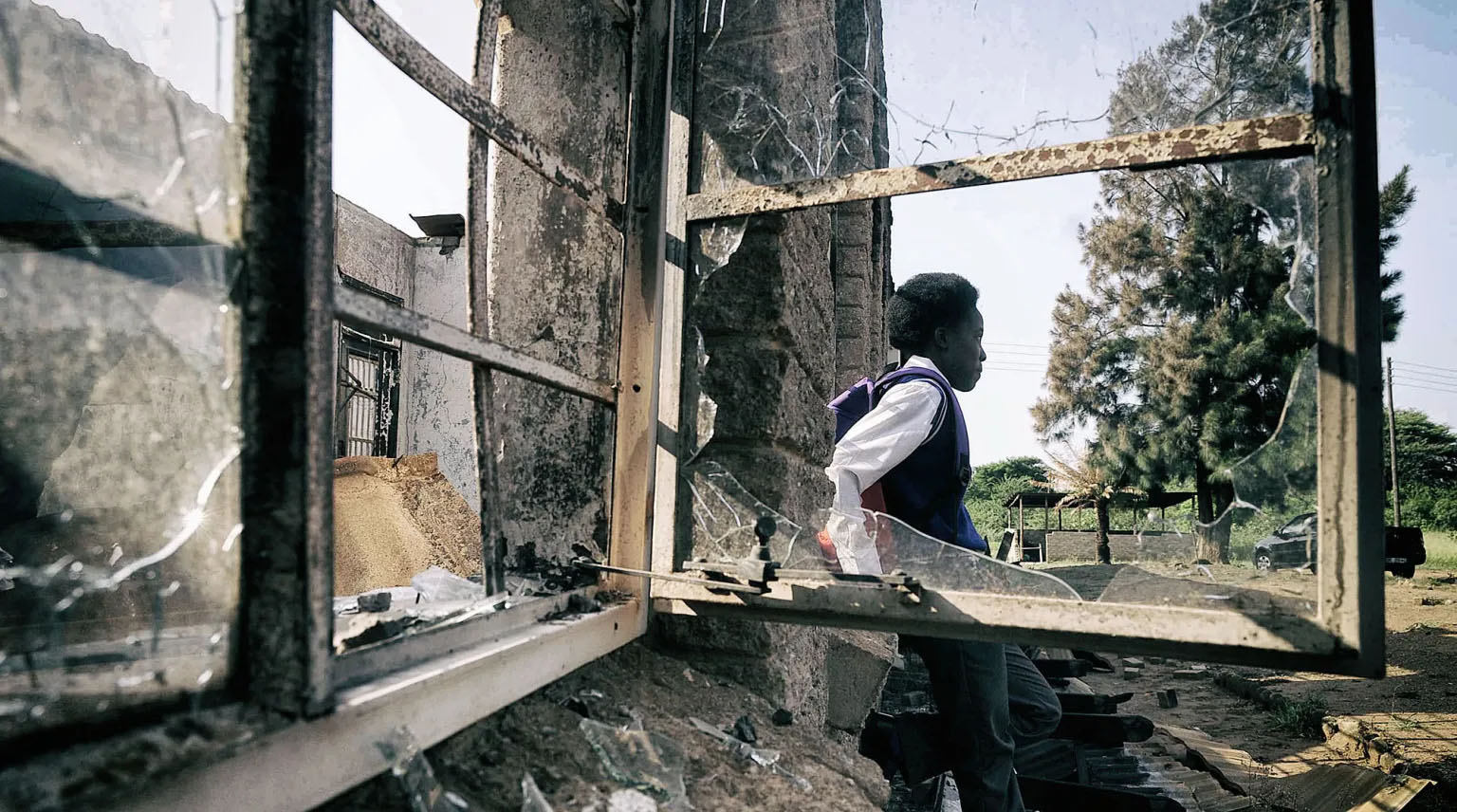
Despite significant progress in educational access since the 1976 Soweto Uprising, young South Africans continue to grapple with many of the same fundamental inequalities that fueled the historic protest. The struggle for youth empowerment and equitable opportunity has transformed rather than concluded over the past decades. While the immediate catalysts of the 1976 uprising may have been addressed, deeper systemic issues persist, impacting the current generation's prospects. This suggests that the fight for true equality and opportunity for all young people in South Africa remains an ongoing and complex challenge. The original grievances, though perhaps manifesting differently, continue to shape the lived experiences of many. Addressing these evolved inequalities requires a nuanced understanding of the present-day landscape. The legacy of 1976 serves as a reminder of the persistent need for vigilance and action. The gains made are undeniable, but the work towards comprehensive equity is far from over.
The enduring struggles of South African youth, decades after the Soweto Uprising, highlight a persistent challenge in translating policy gains into tangible improvements in lived equality. While educational access has expanded, the persistence of underlying inequalities suggests that systemic factors, potentially related to economic structures or resource distribution, continue to impede equitable opportunity. This situation prompts a consideration of whether current governance frameworks are adequately equipped to address the evolving nature of these disparities. Looking ahead, the next decade will likely demand innovative approaches that go beyond access to focus on the quality and relevance of education, alongside broader socio-economic empowerment, to truly fulfill the aspirations that ignited the 1976 protests.
AI-generated to prompt reflection — not editorial opinion, not advice, not a statement of fact. How this works.