South African Cheetah Population Significantly Smaller Than Believed, Study Finds
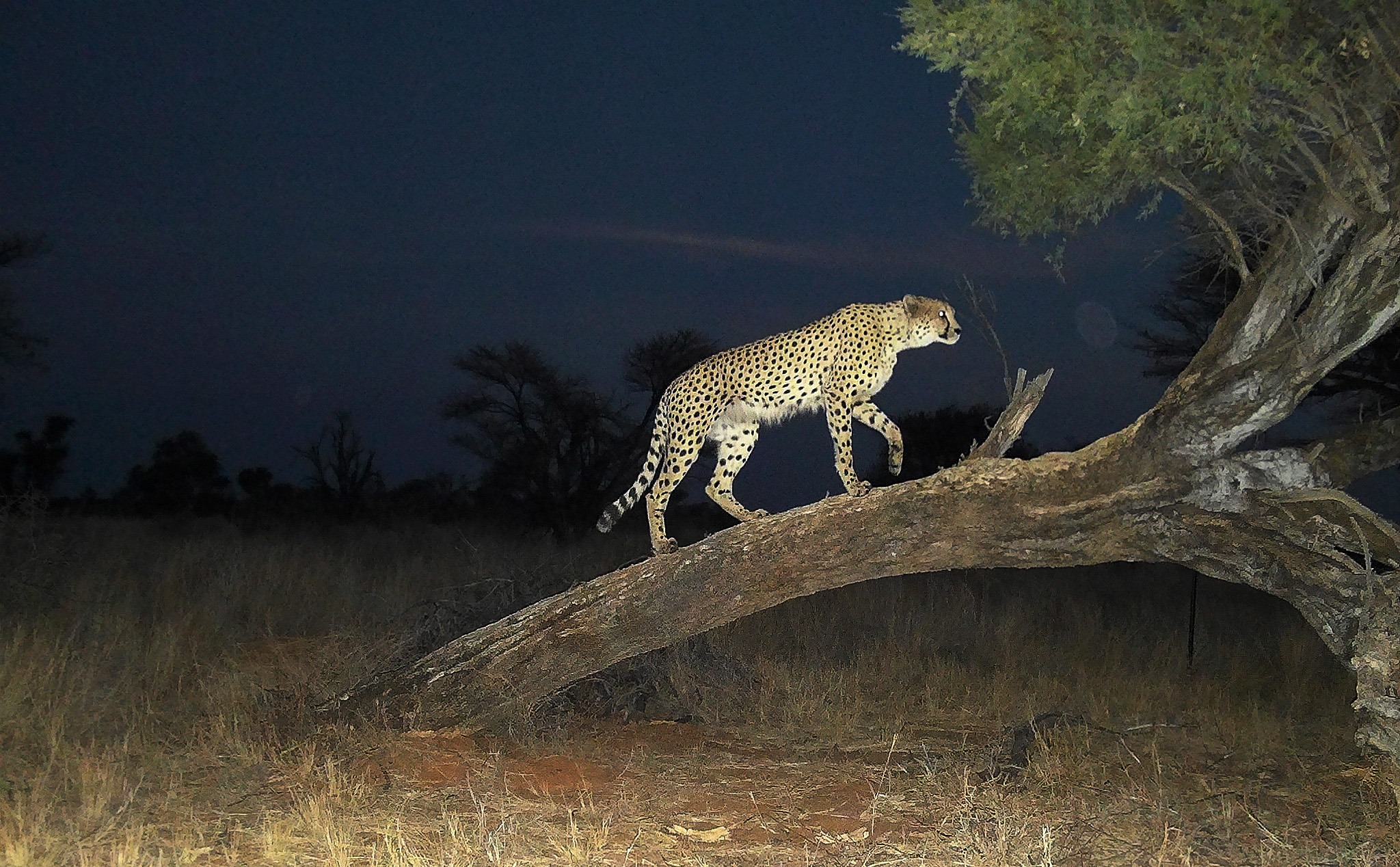
A comprehensive three-and-a-half-year study in South Africa has revealed a starkly different reality for the country's cheetah population. Utilizing 389 camera traps that captured over 5.2 million images, researchers have determined that the wild cheetah population is considerably smaller and more fragmented than previously assumed. This groundbreaking census challenges long-held perceptions about the status of these iconic big cats. The findings indicate that the cheetahs are also more vulnerable than anticipated, facing greater exposure to threats. This new data is crucial for conservation efforts, highlighting the urgent need for revised strategies to protect the species. The illusion of a robust population has been shattered, presenting a grim but vital picture for conservationists. The study's extensive data collection underscores the complexity of accurately assessing wild animal populations. The implications of this fragmented and smaller population size on genetic diversity and long-term survival are significant.
This extensive camera trap study in South Africa provides a critical recalibration of cheetah population estimates, moving beyond previous assumptions to a data-driven understanding. The fragmentation and smaller-than-expected numbers highlight the challenges of maintaining viable populations in increasingly human-dominated landscapes. Conservation strategies will need to adapt, focusing on habitat connectivity and mitigating human-wildlife conflict to ensure the species' long-term survival. The findings prompt a re-evaluation of conservation resource allocation and the effectiveness of current protection measures, emphasizing the need for adaptive management in the face of evolving environmental pressures.
AI-generated to prompt reflection — not editorial opinion, not advice, not a statement of fact. How this works.