South African Court Allows Rhino Horn Trade Under Strict Conditions
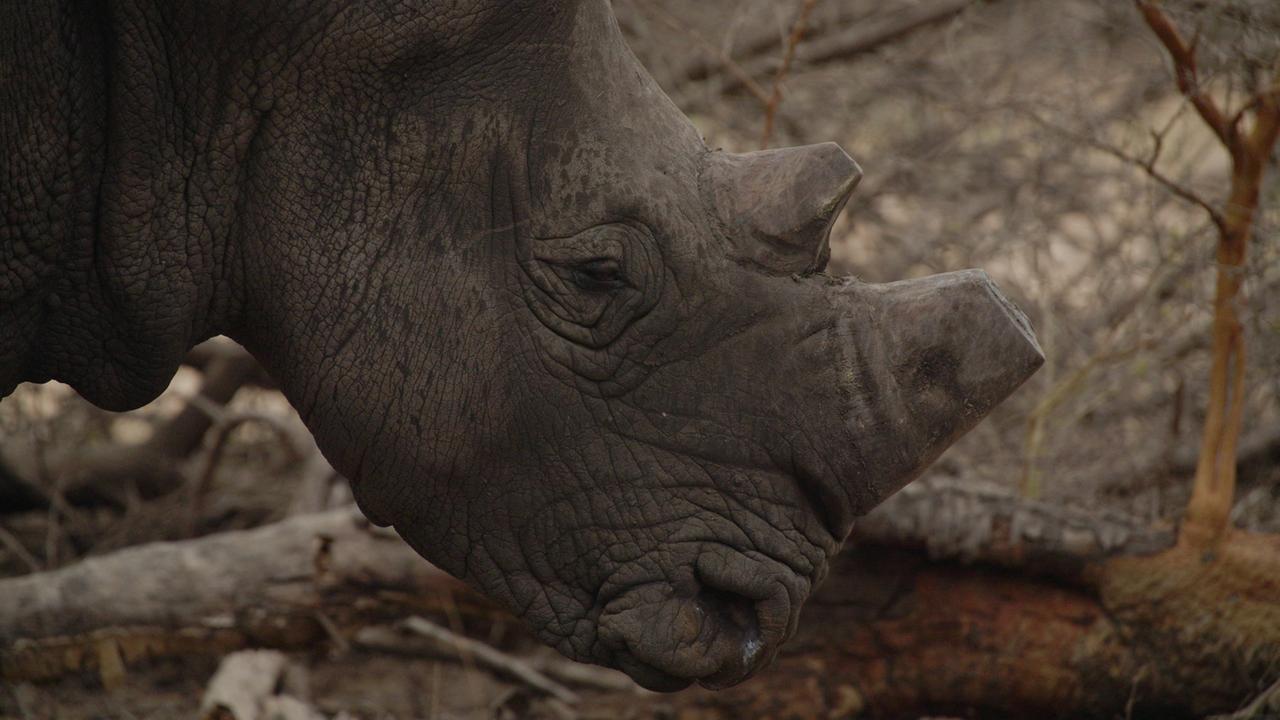
A court ruling in South Africa has ignited significant debate surrounding wildlife protection. A private rhino breeder has been granted permission to sell his animals' horns internationally, provided specific conditions are met. This decision has deeply concerned conservationists, who are dismayed by the potential implications for endangered species. The ruling allows for the export of rhino horns, a move that has long been prohibited due to its association with illegal poaching and the decimation of rhino populations. Conservation groups argue that any legal trade, even under regulation, could inadvertently fuel the black market and further endanger rhinos. They emphasize the critical need for robust enforcement and international cooperation to combat the illegal wildlife trade effectively. The specific conditions under which the trade is permitted have not yet been fully detailed, but the precedent set by this ruling is expected to face considerable opposition and legal challenges from the conservation community. The case highlights the ongoing tension between economic interests and the urgent imperative to protect vulnerable wildlife from extinction.
This judicial decision in South Africa introduces a complex dynamic into the global effort to conserve rhinos. While the court's ruling permits a regulated trade in rhino horns under specific conditions, it risks creating a legal loophole that could be exploited by illicit networks. Conservation organizations' concerns are rooted in the historical difficulty of distinguishing legally sourced horns from poached ones, potentially undermining decades of anti-poaching efforts. The ruling necessitates a robust and transparent tracking system to prevent diversion into illegal markets. Furthermore, it raises questions about the long-term sustainability of such a trade and its impact on rhino populations, particularly in light of increasing demand driven by traditional medicine and status symbols. The decision may also set a precedent for other endangered species, prompting a re-evaluation of international wildlife trade policies and enforcement mechanisms in the coming decade.
AI-generated to prompt reflection — not editorial opinion, not advice, not a statement of fact. How this works.