South African Education Needs Teacher Empowerment for Better Learning Outcomes
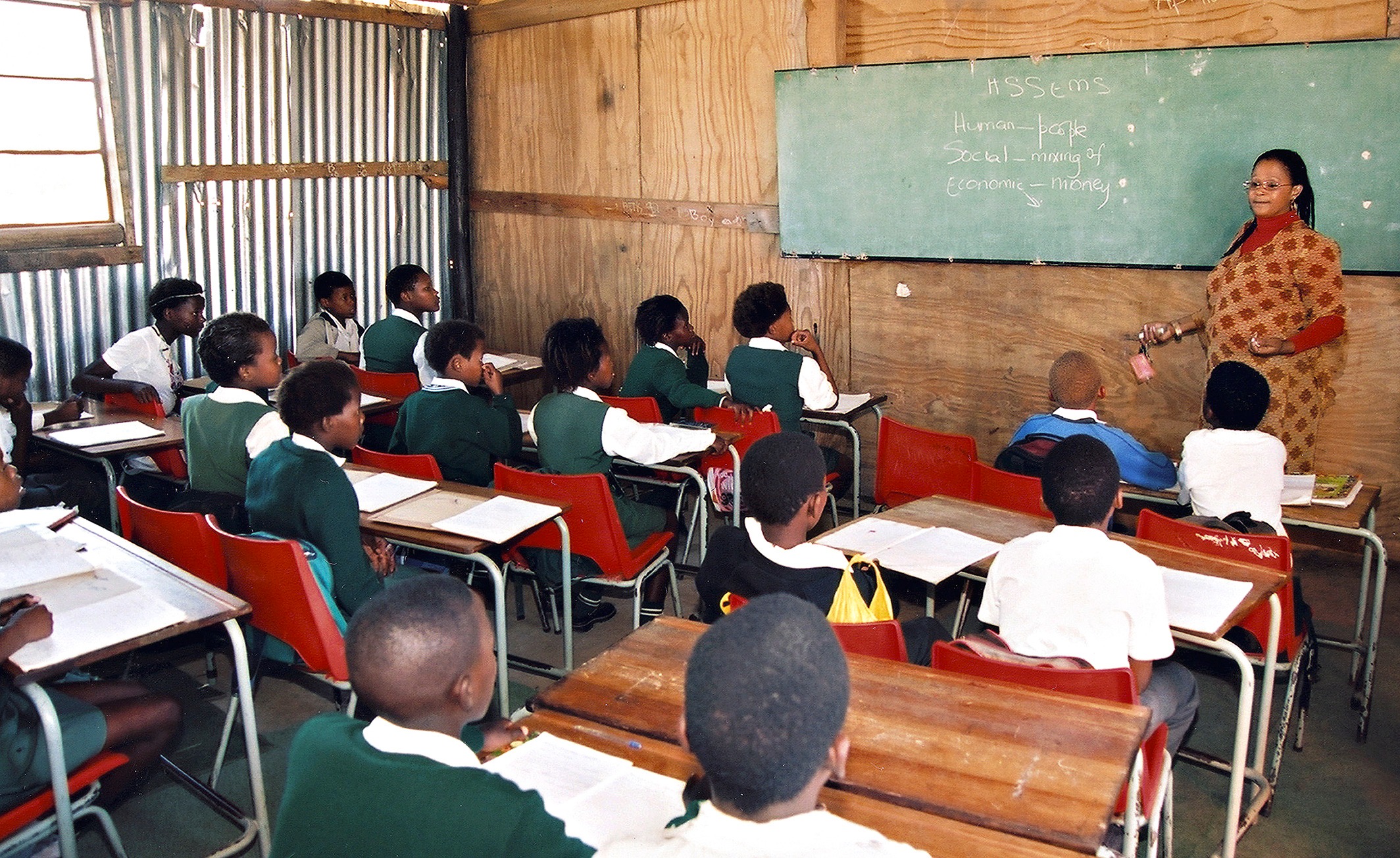
Improving educational outcomes in South Africa requires a shift towards trusting teachers' professional judgment. The current system often prepares students for various aspects of life but fails to adequately equip them for the core process of learning itself. To address this, it is crucial to foster an environment where educators can effectively respond to individual student learning needs. This involves adopting evidence-informed approaches to teaching and assessment. By empowering teachers and allowing them to utilize their expertise, the education system can move towards a more effective model. This approach emphasizes the importance of professional autonomy and data-driven strategies in enhancing the quality of education. Ultimately, the goal is to ensure that students are not just prepared for external demands but are fundamentally equipped with the ability to learn and adapt.
The current educational framework in South Africa appears to be misaligned, prioritizing preparation for external factors over the development of fundamental learning capabilities. Empowering teachers with greater professional autonomy and encouraging the use of evidence-informed practices could foster a more adaptive and effective learning environment. This approach acknowledges the complex interplay between teacher expertise, student needs, and pedagogical strategies. Future educational systems may need to re-evaluate assessment methods and curriculum design to ensure they cultivate intrinsic learning skills, rather than solely focusing on standardized outcomes or external readiness. Such a recalibration could lead to more resilient and capable learners prepared for an evolving future.
AI-generated to prompt reflection — not editorial opinion, not advice, not a statement of fact. How this works.