South African Parliament's Real Power Struggles Happen in Committees
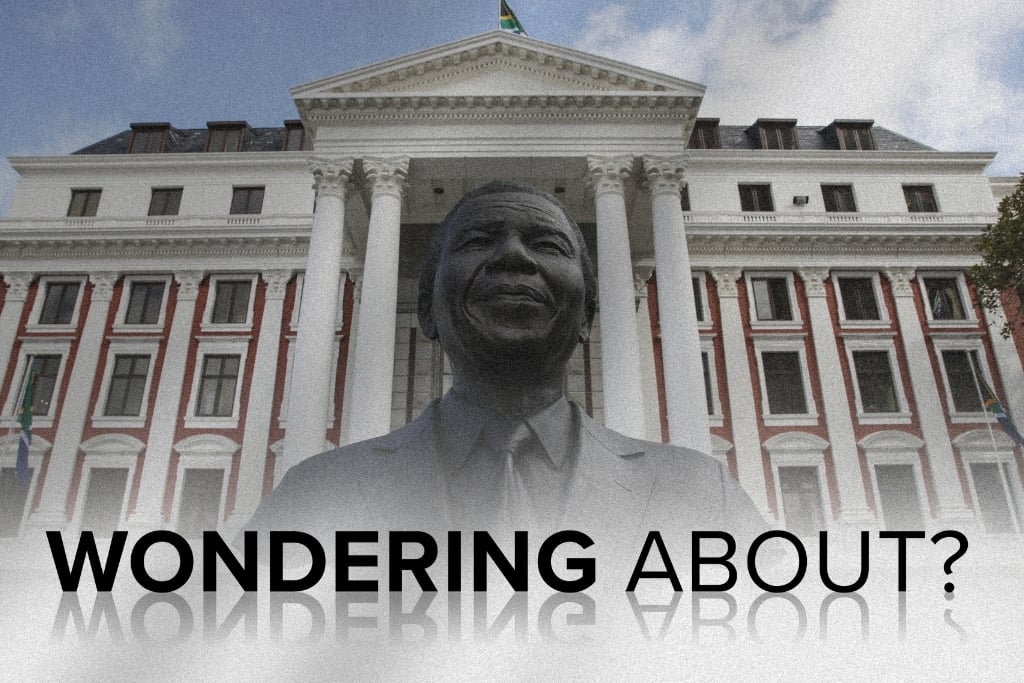
While many South Africans associate Parliament with televised speeches and dramatic votes in the main chamber, the true legislative and oversight battles often take place in smaller, less visible committees. These committees are where critical decisions regarding laws, budgets, and accountability are debated and shaped. They serve as the primary arenas for scrutinizing government actions and influencing policy direction. Understanding the dynamics within these committees is crucial for grasping how South African governance truly functions. The televised proceedings in the main chamber, while symbolic, often represent the culmination of work done in these more intimate settings. Therefore, the real contest over the nation's agenda frequently unfolds away from the public spotlight. These committees are essential for the democratic process, providing a space for detailed examination and negotiation that underpins the final decisions made by Parliament.
The emphasis on parliamentary committees highlights a critical aspect of legislative power often obscured by the spectacle of plenary sessions. This dynamic suggests that effective governance relies not only on public debate but also on the detailed, often behind-the-scenes, work within specialized bodies. Understanding these committee functions is key to analyzing how policy is truly influenced and how accountability mechanisms are exercised. The focus on committees can prompt reflection on the trade-offs between public transparency and the specialized expertise required for effective lawmaking and oversight, and how these might be balanced in the future.
AI-generated to prompt reflection — not editorial opinion, not advice, not a statement of fact. How this works.