South African Police Service Rejects Cape Town Mayor's Metro Police Plan
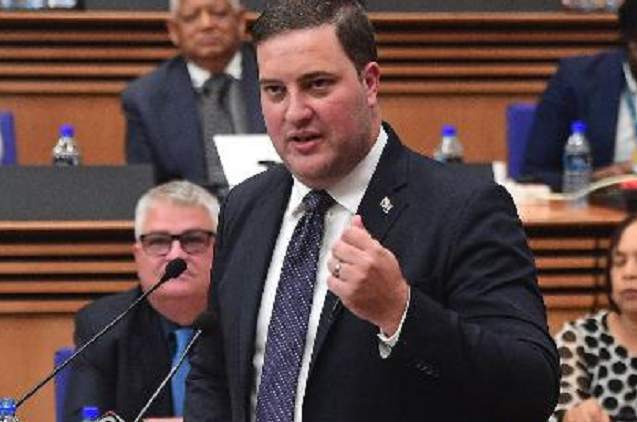
Cape Town Mayor Geordin Hill-Lewis has proposed empowering metro police officers to investigate serious crimes including those involving gangs, firearms, and illegal drugs. However, the South African Police Service (SAPS) has strongly opposed this initiative, stating that the mayor's plan lacks any legal foundation. According to SAPS, such a significant expansion of the metro police's investigative powers would require amendments to national legislation. The police service maintains that the current legal framework does not permit metro police to undertake these specific types of investigations. This disagreement highlights a potential conflict over policing jurisdiction and responsibilities between the city and national government authorities in South Africa.
The proposal by Cape Town Mayor Geordin Hill-Lewis to expand metro police investigative powers into gang, gun, and drug crimes, as countered by the South African Police Service (SAPS), highlights a recurring tension between municipal and national policing mandates. SAPS's assertion of a lack of legal basis suggests that such a jurisdictional shift would necessitate legislative reform, pointing to the complex governance structures governing law enforcement in South Africa. This situation invites consideration of optimal resource allocation and specialization within policing. The differing perspectives may reflect divergent views on efficiency, community policing effectiveness, and the capacity of municipal forces versus national agencies to handle specialized criminal investigations. Future considerations might involve exploring collaborative models or phased legislative changes to address evolving urban safety challenges.
AI-generated to prompt reflection — not editorial opinion, not advice, not a statement of fact. How this works.