South African Postgrads Turn to Entrepreneurship Amidst Funding Shortfalls
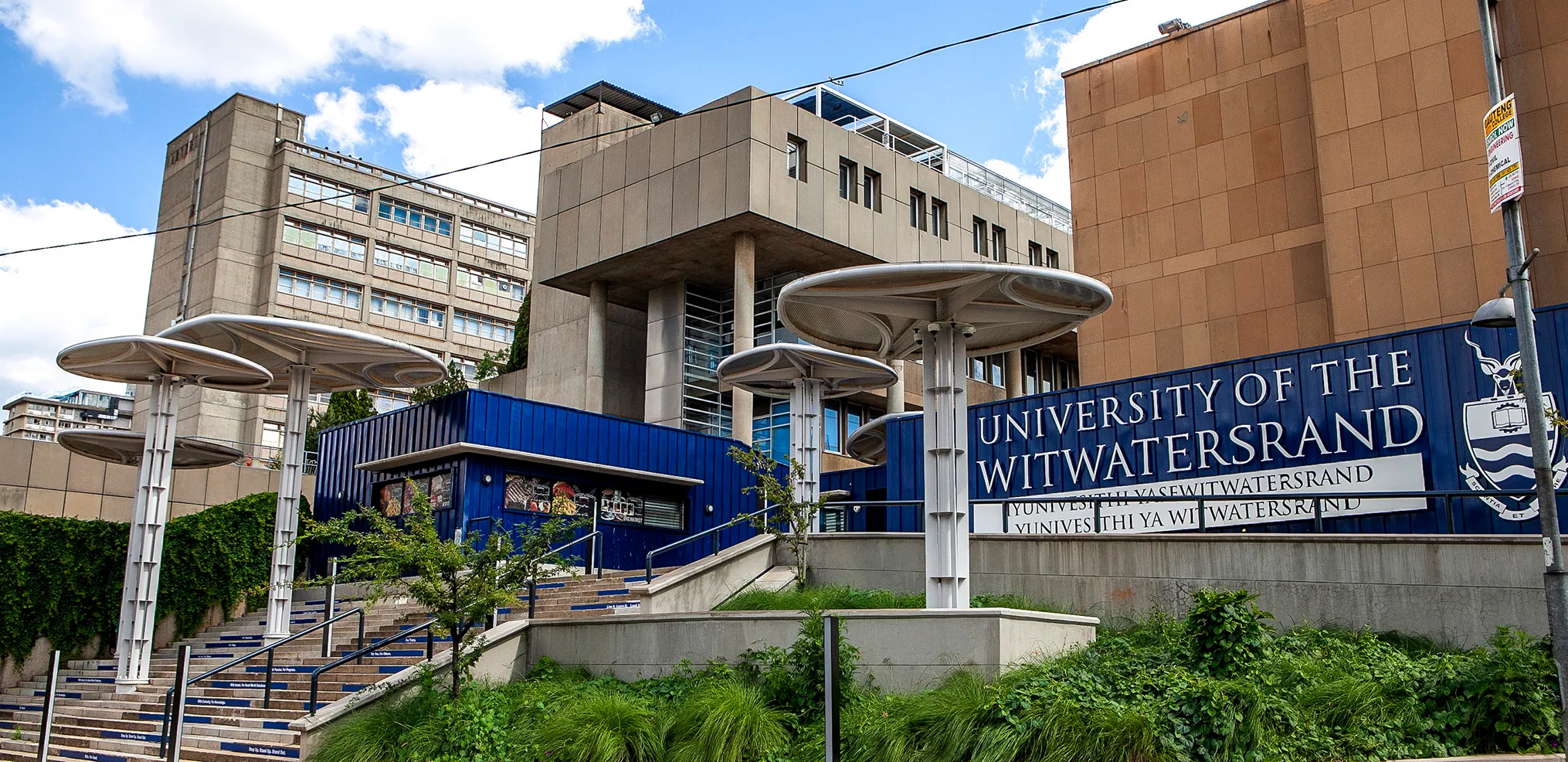
Thousands of postgraduate students in South Africa are resorting to entrepreneurship to cope with significant government funding gaps. These students are balancing demanding academic schedules with various business ventures, including selling marijuana, wigs, and vetkoek (a type of fried dough). The primary motivation behind these entrepreneurial efforts is to cover essential living expenses such as food, accommodation, and tuition fees, which are not adequately met by current funding allocations. This situation highlights a growing crisis in postgraduate student funding, forcing individuals to find creative and often unconventional ways to sustain their education and livelihoods.
The reported challenges faced by South African postgraduate students underscore a critical tension between academic aspirations and the economic realities of higher education. Insufficient government funding creates an environment where students must seek alternative income streams, potentially impacting their academic focus and well-being. This situation reflects broader systemic issues concerning the sustainability of postgraduate research and the equitable distribution of educational resources. Future policy considerations might explore innovative funding models, partnerships with industry, or enhanced support structures to ensure that financial constraints do not impede academic progress or disproportionately affect students from less privileged backgrounds.
AI-generated to prompt reflection — not editorial opinion, not advice, not a statement of fact. How this works.