South African Zoo Elephants Spark Conflict Between Animal Welfare Advocates and the Public
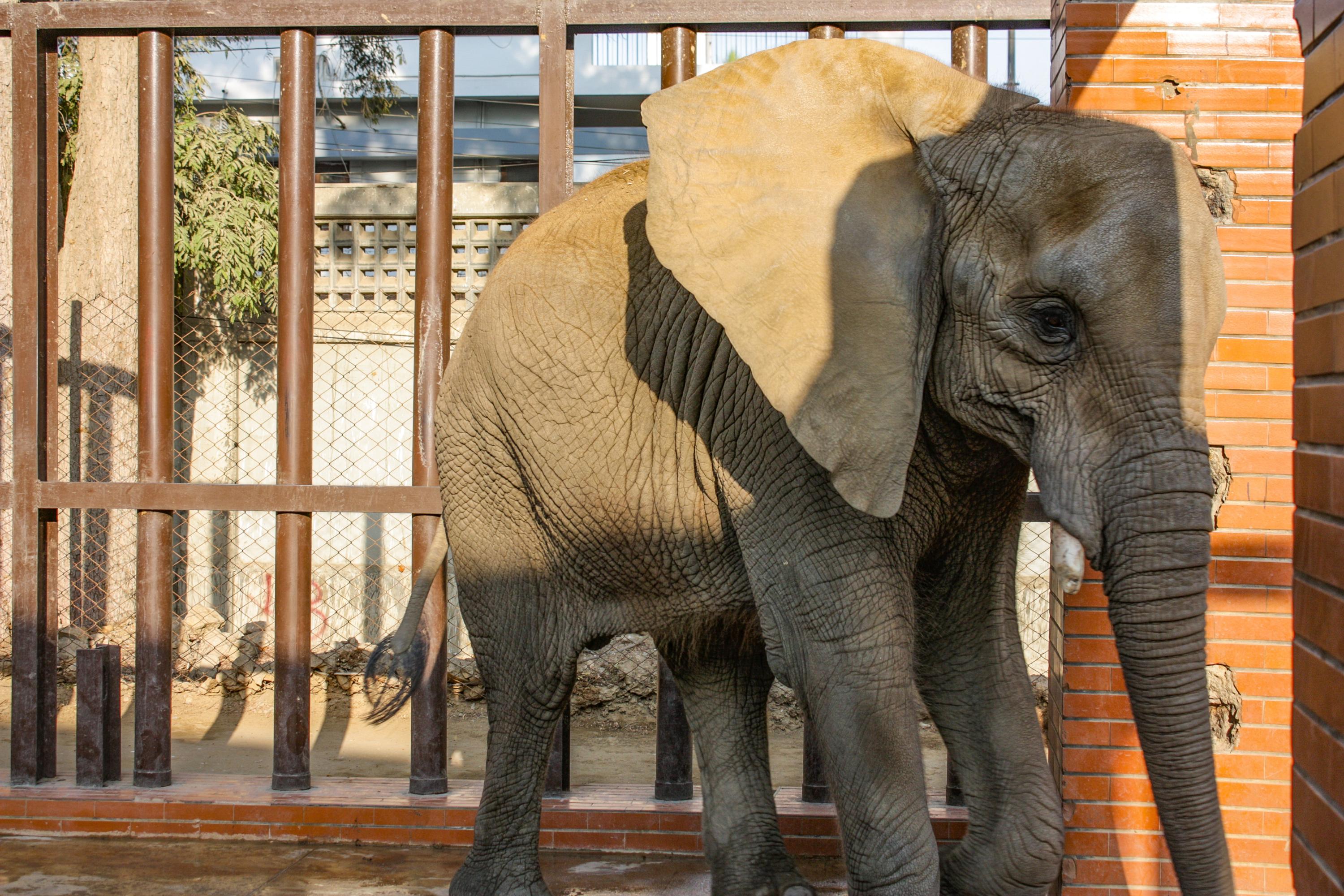
The fate of the last three elephants held in captivity at a zoo in Johannesburg, South Africa, has ignited an unexpected conflict. The animals, named Lammie, Ramadiba, and Mopane, are at the center of a dispute between animal welfare advocates and segments of the public, particularly those from disadvantaged communities. Animal rights activists are questioning the ethics of displaying unhealthy elephants to children. Conversely, proponents of public access argue that these elephants represent a unique opportunity for less privileged South Africans to experience these magnificent creatures. This situation highlights a clash between conservation ethics and social equity concerns within the country.
This situation presents a complex intersection of animal welfare concerns and social access issues. The debate over displaying animals, particularly those in poor health, raises questions about the ethical responsibilities of zoos and the potential psychological impact on visitors, especially children. Simultaneously, the perspective from disadvantaged communities highlights the role zoos can play in providing educational and cultural enrichment opportunities that might otherwise be inaccessible. The conflict underscores a broader societal tension: how to balance the imperative of animal well-being with the desire for public engagement and equitable access to natural heritage. Future considerations for such institutions may involve exploring alternative educational models that do not rely on captive animals, or enhancing the welfare standards to a level that satisfies both ethical scrutiny and public appreciation, potentially through improved enclosure design and veterinary care.
AI-generated to prompt reflection — not editorial opinion, not advice, not a statement of fact. How this works.