South Africans Face Tough Choices as Tariff Hikes Outpace Inflation
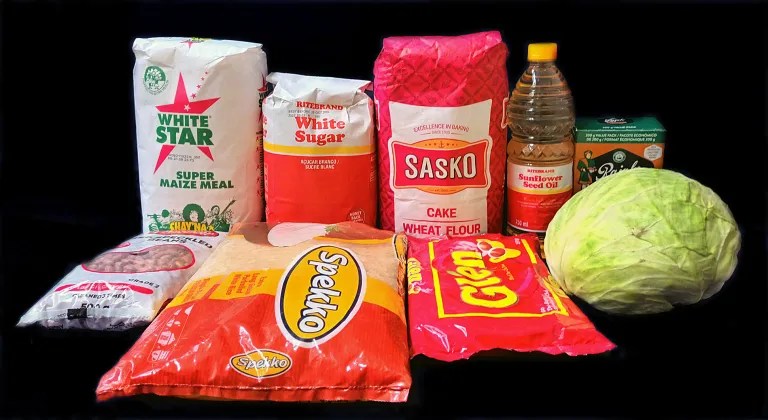
South African households are facing increasingly difficult financial decisions due to electricity and water tariff increases that have consistently outpaced inflation over the past two decades. The latest round of hikes, implemented in July, is forcing families to make stark compromises on their food purchases. This means that essential services like heating water for showers are now competing directly with the ability to put food on the table. The cumulative effect of these sustained tariff increases is placing a significant strain on household budgets. Consequently, the affordability of basic necessities is deteriorating, impacting the quality of life for many citizens. The trend suggests a growing challenge in balancing the cost of essential utilities with the fundamental need for adequate nutrition.
The sustained disparity between utility tariff increases and inflation in South Africa highlights a critical governance challenge in managing essential service costs. This dynamic creates a regressive burden on lower-income households, forcing trade-offs between basic needs like sanitation and nutrition. Future policy interventions may need to consider more equitable cost-recovery models or targeted subsidies to mitigate the impact on vulnerable populations. Examining the long-term sustainability of infrastructure investment against household affordability is crucial for economic stability and social well-being over the next decade.
AI-generated to prompt reflection — not editorial opinion, not advice, not a statement of fact. How this works.