South American Incumbents Struggle: Only 3 Wins in Last 20 Presidential Elections
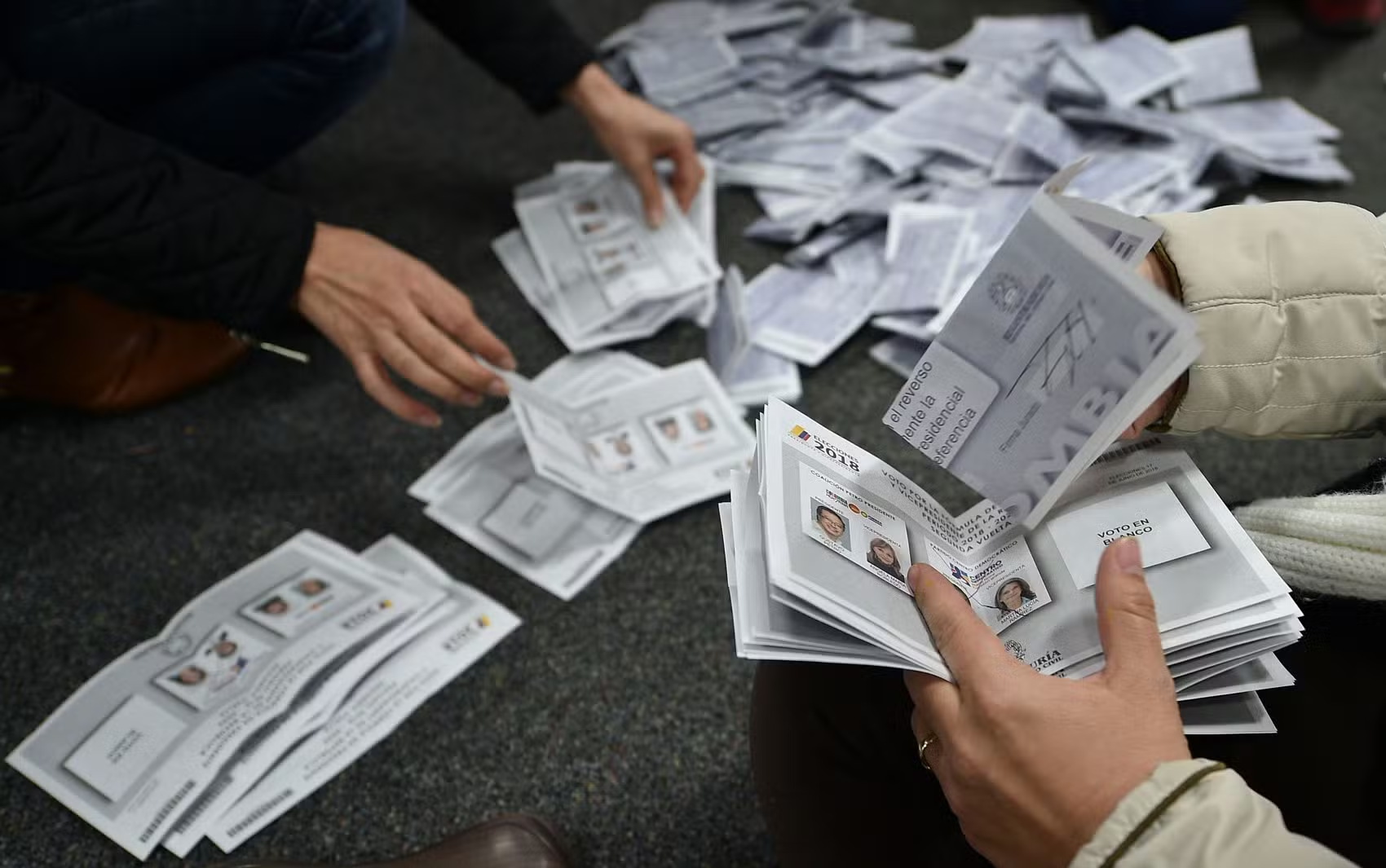
In a trend defying conventional political wisdom, incumbent candidates in South America have faced significant electoral challenges, winning only three out of the last twenty recognized presidential elections across the continent. This analysis, based on a g1 survey, highlights a consistent pattern of electoral defeats for governing parties since 2018. The exceptions to this trend have been Paraguay, which has seen continuous victories for the ruling Colorado Party, and Ecuador, where the incumbent's party secured a win in 2023. Recent elections in Colombia and Peru in 2022 and 2023 respectively, saw non-incumbent candidates emerge victorious. In Peru's complex political landscape, the election followed a transitional mandate, and no clear governing candidate was present. Often, incumbents face declining popularity, are embroiled in scandals, or fail to present a candidate, contributing to their electoral setbacks. This phenomenon is not strictly tied to an ideological left-right alternation, as the survey focused on independent Latin American nations, excluding Venezuela due to international concerns about electoral fairness. The data reveals a broad pattern of voters opting for change over continuity in many South American democracies.
The data suggests a potential systemic disconnect between governing parties and the electorate in South America, independent of specific ideological leanings. This pattern may reflect voter fatigue with established administrations, a desire for fresh perspectives, or a reaction to governance challenges that diminish incumbent appeal. The prevalence of non-incumbent victories could indicate a maturing democratic landscape where accountability mechanisms are functioning, or conversely, a signal of persistent dissatisfaction with policy outcomes. Future governance strategies may need to prioritize responsiveness to public sentiment and demonstrable progress to counter this trend.
AI-generated to prompt reflection — not editorial opinion, not advice, not a statement of fact. How this works.