South Australian Researchers Explore Flies as a Future Food Source
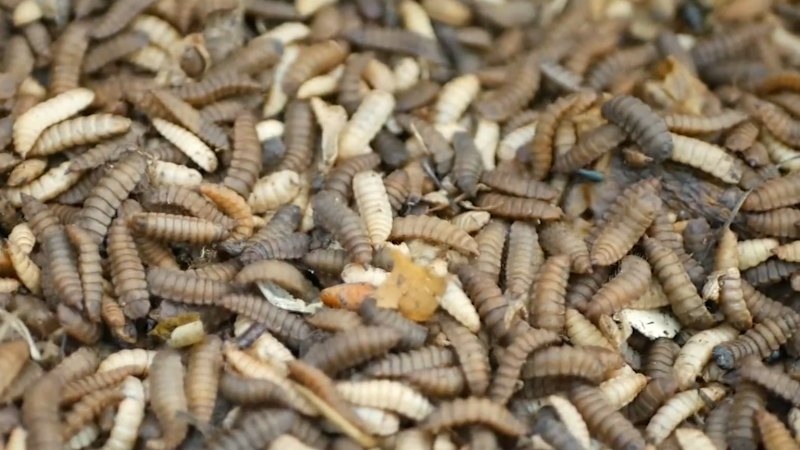
Researchers in South Australia are investigating the potential of flies as a sustainable food source for the future. The project aims to determine the viability of insect farming and consumption. This initiative is part of a broader global effort to find alternative protein sources as the world's population grows and traditional agriculture faces increasing pressure. The researchers are examining various aspects of fly cultivation, including their nutritional content, ease of farming, and potential environmental benefits. This exploration could lead to new food products and industries. The study is still in its early stages, but it represents a forward-thinking approach to food security. The findings could significantly impact how we think about food production and consumption in the coming decades. The potential benefits include reduced land and water usage compared to conventional livestock farming. Furthermore, flies can be reared on organic waste, contributing to waste reduction and a circular economy.
This research initiative reflects a growing global interest in alternative protein sources driven by concerns over food security, environmental sustainability, and population growth. Exploring insect farming, specifically using flies, addresses the increasing strain on traditional agricultural systems. The potential for flies to be reared on organic waste aligns with circular economy principles, offering a dual benefit of waste reduction and protein production. Future viability will depend on overcoming consumer acceptance barriers, ensuring regulatory frameworks are in place for food safety, and demonstrating cost-effectiveness compared to established protein sources. The long-term success hinges on technological advancements in farming and processing, alongside public education regarding the nutritional and environmental advantages.
AI-generated to prompt reflection — not editorial opinion, not advice, not a statement of fact. How this works.