South Carolina Chosen as First State for 2028 Democratic Presidential Primary
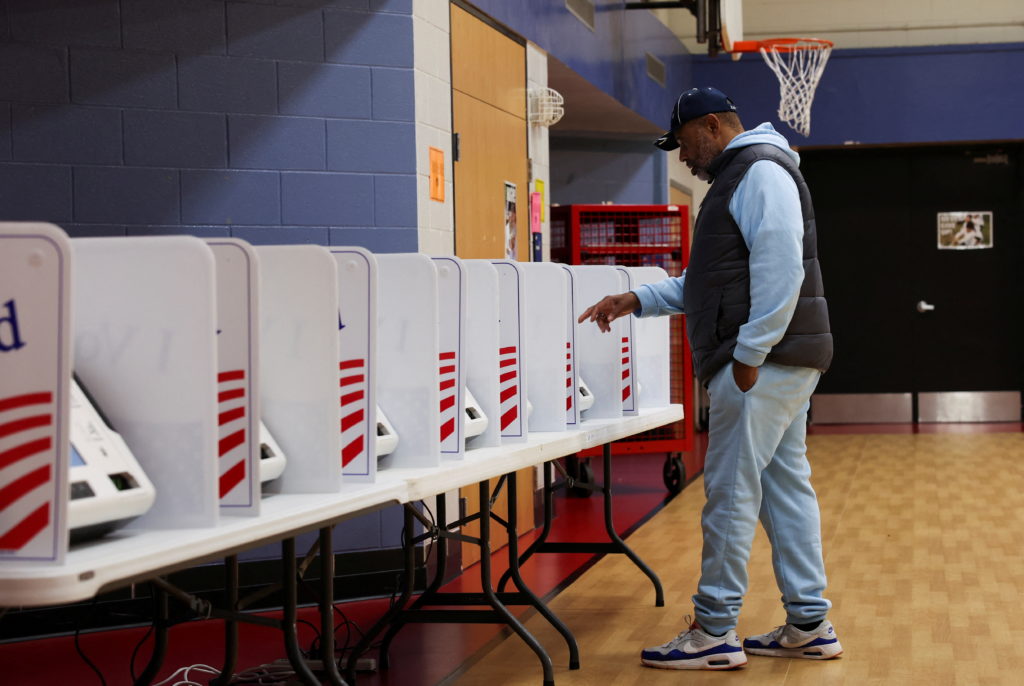
The Democratic Party has selected South Carolina to host its first presidential nominating contest in 2028. This decision marks a significant moment for the state, which has historically served as the initial Southern state to hold such a primary. South Carolina's early position in the nomination calendar has been crucial for testing candidates' appeal and support among Black voters, a key demographic within the Democratic electorate. The party's choice reflects a continued emphasis on the state's role in shaping the presidential field and assessing a candidate's broad-based viability. This early contest often sets the tone and trajectory for subsequent primaries and caucuses across the nation. The selection process involved deliberations among party leaders and state affiliates, aiming to balance historical significance with strategic considerations for the upcoming election cycle. South Carolina's unique demographic makeup and its established role in the early primary schedule make it a pivotal state for candidates seeking to build momentum and demonstrate their electability.
The Democratic Party's decision to maintain South Carolina as the first state in its 2028 presidential nominating calendar underscores the enduring influence of demographic representation in electoral strategy. This choice acknowledges the critical role of Black voters in shaping the party's primary outcomes and, by extension, its general election prospects. By prioritizing a state with a significant Black electorate early in the process, the party aims to ensure that candidates must build broad coalitions and demonstrate appeal beyond traditional bases. This approach can foster a more inclusive and representative candidate pool, potentially leading to nominees better equipped to connect with diverse segments of the electorate. However, it also raises questions about the equitable distribution of influence among all states and whether this early focus inadvertently disadvantages candidates who may not perform as strongly in this specific demographic context, potentially limiting the diversity of candidates who can realistically compete.
AI-generated to prompt reflection — not editorial opinion, not advice, not a statement of fact. How this works.