South Carolina Faces Political Uncertainty Following Senator's Death
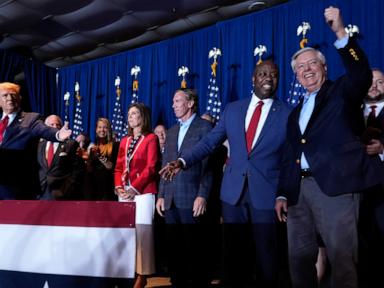
The political landscape in South Carolina is undergoing significant shifts following the recent death of Senator Lindsey Graham. His passing has triggered a scramble for political positioning among various factions within the state. The immediate aftermath involves navigating the procedural and political implications of a Senate seat becoming vacant unexpectedly. This situation typically leads to discussions about potential successors and the impact on the balance of power within the state's political hierarchy. The exact timeline and process for filling the vacancy will depend on South Carolina's specific laws and the actions taken by state officials. The event also raises questions about the future representation of South Carolina in the U.S. Senate and the potential policy implications of a new senator taking office. Political analysts are closely watching how these developments unfold and what they mean for the upcoming election cycles. The death of a prominent figure like Senator Graham invariably creates a vacuum that can lead to both opportunities and challenges for aspiring politicians.
The unexpected vacancy of a U.S. Senate seat introduces a period of political flux, prompting strategic realignments among state-level actors. This event highlights the inherent fragility of political representation and the importance of succession planning within party structures. The ensuing competition for the open seat will likely test the organizational strength and messaging efficacy of various candidates and their respective political factions. Future political dynamics in South Carolina may be shaped by the choices made during this transition, influencing legislative priorities and electoral outcomes for years to come. The situation underscores the broader trend of demographic and ideological shifts within American politics, where the passing of long-serving figures creates opportunities for new leadership and evolving policy agendas.
AI-generated to prompt reflection — not editorial opinion, not advice, not a statement of fact. How this works.