South Carolina Lawmakers Outline Process for Filling Senate Seat After Graham's Death
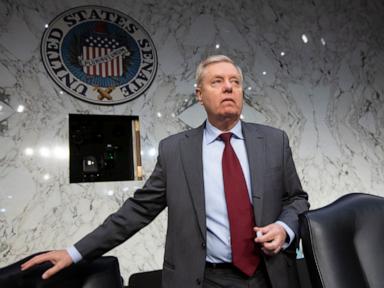
Following the death of Senator Lindsey Graham, South Carolina law dictates that a special election will be held to fill his vacant Senate seat. The process for this election will unfold in the coming months. Senator Graham, a prominent figure in national politics, represented South Carolina in the U.S. Senate. His passing triggers constitutional and state-level procedures designed to ensure continuity in legislative representation. The specific timeline and procedures for the special election will be determined by state election officials and legislative leadership. This event marks a significant moment for South Carolina's representation in the federal government. The upcoming election will allow voters to choose their next senator. Details regarding candidate qualification, election dates, and the appointment of any interim successor are expected to be released as the process moves forward.
The passing of a senator necessitates a defined electoral process to maintain state representation in the U.S. Senate. State laws provide a framework for special elections, ensuring that voters have the opportunity to select a successor. This mechanism addresses the democratic imperative of representation while navigating unforeseen circumstances. The transition period will involve administrative and electoral preparations, aiming for a timely and orderly selection of a new senator to fulfill the remainder of the term.
AI-generated to prompt reflection — not editorial opinion, not advice, not a statement of fact. How this works.