South Carolina Senate Seat Vacancy Following Sen. Lindsey Graham's Death
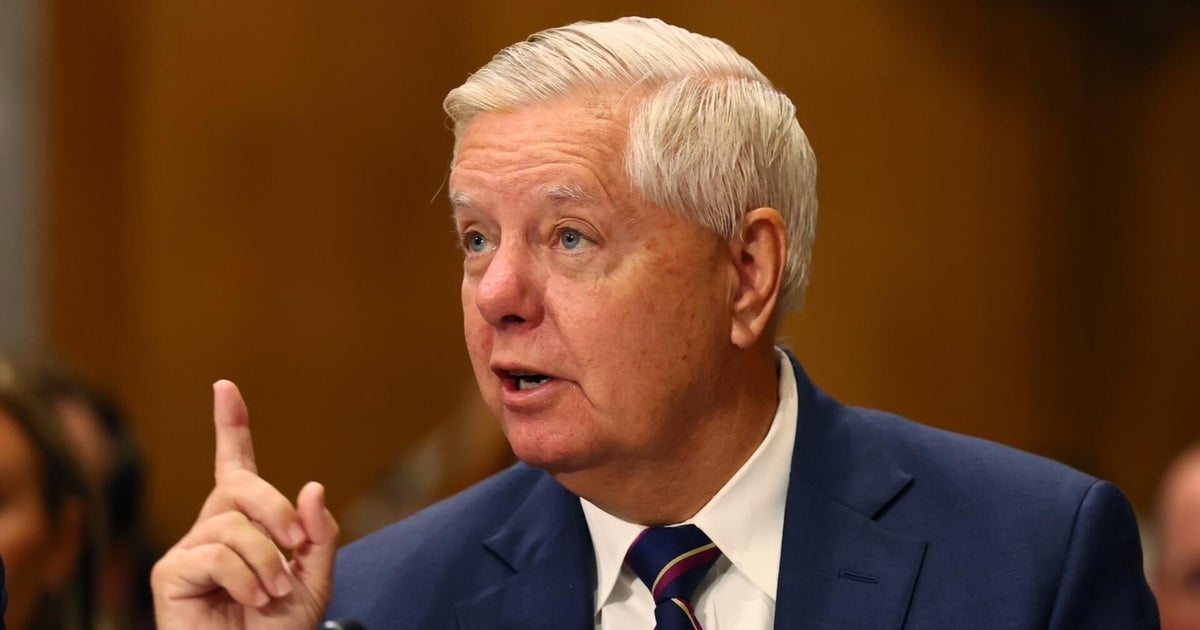
South Carolina Republican Senator Lindsey Graham passed away at the age of 71 due to a "brief and sudden illness," as announced by his office early Sunday morning. Graham, a prominent figure in the Republican party, had served in the U.S. Senate for many years. Following his death, a process will be initiated to fill the vacancy in his Senate seat. CBS News' Major Garrett has provided an explanation of the procedures that will be followed to determine who will succeed Senator Graham. This process is typically governed by state law and federal regulations concerning Senate vacancies. The specific timeline and method for filling the seat will depend on South Carolina's legal framework. This event marks the end of a significant political career and necessitates a transition in representation for the state of South Carolina in the United States Senate.
The passing of Senator Lindsey Graham creates a vacancy that triggers established legal and political processes for selecting a successor. This transition presents an opportunity to examine the mechanisms by which elected officials are replaced mid-term, considering factors such as appointment versus special election and their respective impacts on voter representation and political continuity. The ensuing selection process will likely be influenced by the political landscape of South Carolina and the broader national context, potentially affecting the balance of power within the Senate. Evaluating these procedural outcomes can offer insights into the resilience and adaptability of democratic governance in responding to unforeseen leadership changes.
AI-generated to prompt reflection — not editorial opinion, not advice, not a statement of fact. How this works.