South Carolina Senate Seat Vacancy: Potential Successors for Lindsey Graham
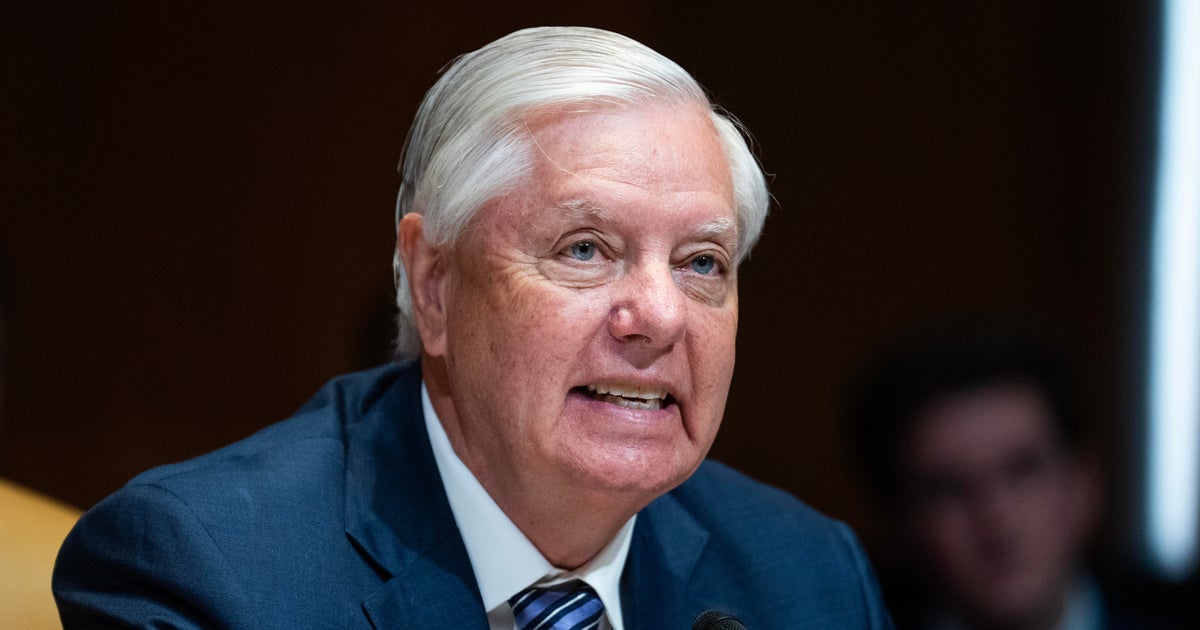
South Carolina Senator Lindsey Graham's unexpected passing on Saturday has initiated a process to determine his successor in the U.S. Senate. The vacancy created by his death has triggered a competitive environment among potential candidates vying for the position. The specific procedures for filling the Senate seat will depend on South Carolina state law and the timing of the vacancy relative to upcoming elections. Typically, such a vacancy might be filled by a gubernatorial appointment until the next general election, or a special election could be called. The political landscape in South Carolina will be a significant factor in who is ultimately chosen or elected to serve the remainder of Graham's term. This event marks a significant moment in the state's political history, prompting discussions about leadership and representation. The focus now shifts to the individuals and political parties preparing to navigate this succession process.
The sudden vacancy in the U.S. Senate following Senator Graham's death introduces a dynamic shift in South Carolina's political representation. The succession process, governed by state law and electoral cycles, will likely involve intricate political maneuvering and strategic considerations by party leadership and the governor. This event underscores the importance of established protocols for leadership transitions in democratic governance, particularly in the context of unexpected events. The ensuing competition for the seat may highlight evolving voter priorities and party platforms within the state, offering insights into future electoral trends. Furthermore, the transition presents an opportunity to examine the long-term implications for legislative continuity and the balance of power within the Senate, viewed through the lens of ongoing policy debates and the broader technological and societal shifts of the coming decade.
AI-generated to prompt reflection — not editorial opinion, not advice, not a statement of fact. How this works.