South China Sea: Island Building Race and Smaller Nations' Preparedness
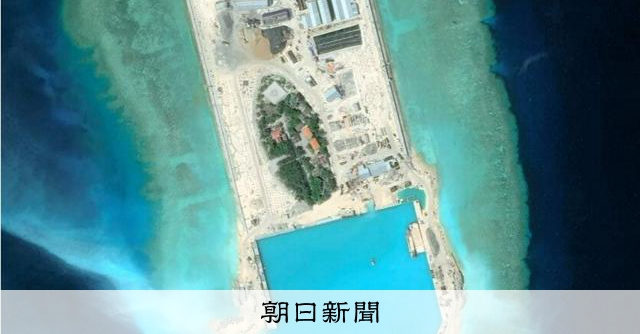
The South China Sea is witnessing an intense competition for the construction of artificial islands. Major powers are significantly influencing the actions and strategies of smaller nations in the region. This dynamic is forcing these smaller countries to prepare for potential contingencies and conflicts. The ongoing construction efforts raise concerns about territorial disputes and the militarization of the area. Smaller nations find themselves in a precarious position, often caught between the competing interests of larger, more powerful states. Their ability to assert sovereignty and protect their maritime rights is increasingly challenged by these geopolitical rivalries. Consequently, these nations are compelled to bolster their defense capabilities and diplomatic efforts to navigate the complex security landscape. The strategic importance of the South China Sea, coupled with the island-building activities, escalates regional tensions and necessitates a careful approach to maintaining peace and stability. The situation highlights the vulnerability of smaller states in the face of assertive actions by dominant powers.
The construction of artificial islands in the South China Sea represents a strategic maneuver by major powers to assert territorial claims and enhance military presence. This activity creates significant geopolitical friction, particularly for smaller nations whose maritime interests and sovereignty are directly impacted. The competition for influence and resources in this vital waterway underscores the challenges of international governance and dispute resolution in an era of rising nationalism. Smaller states are compelled to balance their national security needs with the economic and diplomatic pressures exerted by larger actors. Future developments will likely hinge on the effectiveness of international legal frameworks and diplomatic dialogues in mitigating conflict and ensuring freedom of navigation, while also considering the long-term implications of environmental degradation and resource access.
AI-generated to prompt reflection — not editorial opinion, not advice, not a statement of fact. How this works.