South Europe Faces Doubled 'Fire Weather' Days Due to Climate Change
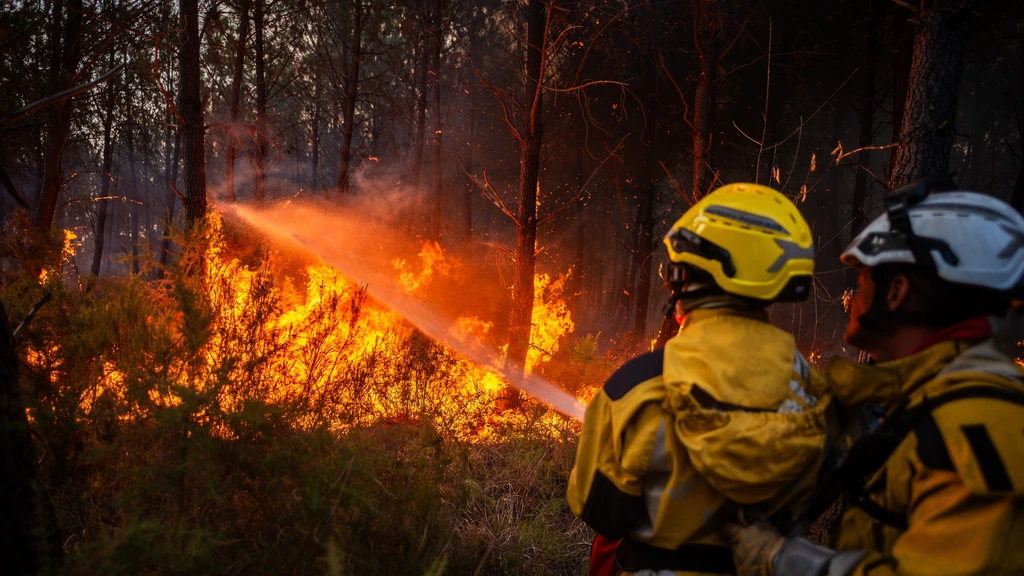
The number of days with extreme fire risk conditions, termed 'fire weather,' has nearly doubled in Southern Europe over the past 40 years, according to research published in Scientific Reports. These conditions, characterized by warmth, dryness, low humidity, and wind, are increasingly prevalent due to global warming, which drives up temperatures. Climate researcher Raúl Cordero Carrasco from the University of Groningen noted that fire risk is highly sensitive to temperature shifts. Despite the rise in fire risk, the actual number of wildfires and the total area burned in Southern Europe have decreased since 1981, though with significant year-to-year fluctuations. Experts explain this paradox by highlighting that climate change does not ignite fires; human behavior, such as careless disposal of cigarettes or arson, remains the primary cause of ignition. Furthermore, factors like landscape fuel load and effective fire prevention and suppression strategies have contributed to fewer fires. For instance, Spain has implemented measures like fining individuals for smoking in natural areas. Firefighting capabilities have also advanced significantly, with improved technology and resources, as well as enhanced prevention efforts. However, other trends are exacerbating fire risks. In some regions, depopulation and the abandonment of agricultural land have led to increased forest cover and fuel accumulation, creating larger, more contiguous natural areas. This rural exodus, as observed in Catalonia, means former farmlands are reverting to forest, increasing the potential fuel for fires. Looking ahead, temperatures in Europe are projected to continue rising, leading to more days of extreme fire risk. Researchers express concern about whether Southern European countries can effectively manage these escalating risks. The trend since a 2018 low in burned area suggests an increase in fires, and the potential for 'megafires'—large, uncontrollable blazes—is a growing concern. The phenomenon of 'fire weather waves,' multiple consecutive days of extreme conditions, can intensify fires dramatically, overwhelming firefighting efforts. The intensity of some recent fires, even creating their own fire clouds, demonstrates the unpredictable and dangerous nature of these events.
The research highlights a critical divergence between escalating environmental risks for wildfires and a concurrent decrease in actual fire incidents and burned areas in Southern Europe. This suggests that while climate change is undeniably increasing the *potential* for catastrophic fires by creating more 'fire weather' days, human interventions—ranging from improved firefighting technology and prevention strategies to societal shifts like rural depopulation influencing land use—have, to date, mitigated the full impact. The analysis prompts consideration of the long-term sustainability of these mitigation efforts. As climate change intensifies, the frequency and severity of 'fire weather waves' may eventually overwhelm even advanced suppression capabilities. The increasing fuel load due to land abandonment, coupled with rising temperatures, creates a system where the *consequences* of ignition, when it occurs, could be far more severe. This dynamic raises questions about future resource allocation and adaptation strategies, emphasizing the need to balance immediate suppression with long-term landscape management and climate resilience planning.
AI-generated to prompt reflection — not editorial opinion, not advice, not a statement of fact. How this works.