South Korea Addresses Misconceptions on Post-OPCON Transition
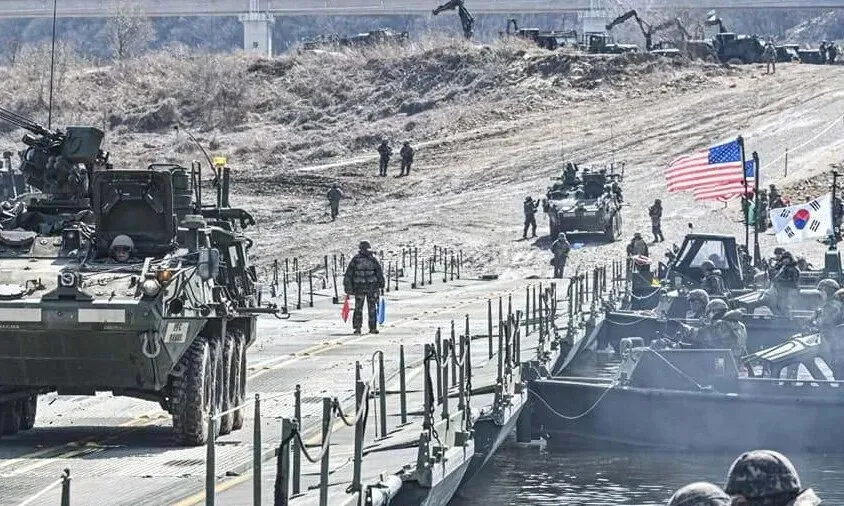
This Q&A session aims to clarify common misunderstandings surrounding the potential transition of wartime operational control (OPCON) from the United States to South Korea. The discussion seeks to provide accurate information and dispel myths that may hinder a smooth and effective transfer of authority. Key aspects of the OPCON transition are examined, including the military capabilities required and the strategic implications for regional security. The process involves rigorous evaluation and preparation to ensure that South Korea's defense forces are fully equipped to assume command. This initiative is crucial for strengthening South Korea's self-defense posture and maintaining stability on the Korean Peninsula. The Q&A highlights the importance of informed public discourse on this significant national security matter. It underscores the collaborative nature of the transition, emphasizing continued alliance cooperation while building independent command capabilities. The goal is to achieve a conditions-based transfer that enhances deterrence and contributes to peace.
The discussion around OPCON transition highlights the complex interplay between national sovereignty and alliance dynamics. As South Korea seeks to enhance its self-defense capabilities, the transfer of operational control represents a significant step in its military development. This process is influenced by evolving regional security architectures and the strategic imperatives of both South Korea and its allies. The emphasis on conditions-based transfer suggests a recognition of the need for robust military readiness and strategic alignment, balancing the desire for greater autonomy with the realities of collective security. Future considerations will likely involve the long-term implications for deterrence, alliance burden-sharing, and the broader geopolitical landscape of Northeast Asia.
AI-generated to prompt reflection — not editorial opinion, not advice, not a statement of fact. How this works.