South Korea Considers Expanding Nuclear Power for AI Energy Needs
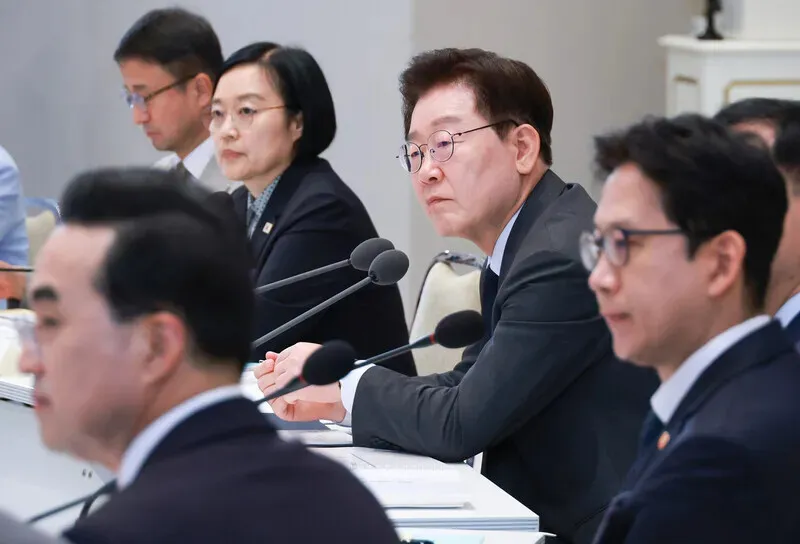
South Korea is planning to review the possibility of constructing additional nuclear reactors. This potential expansion is driven by the anticipated surge in electricity demand, largely attributed to the energy-intensive nature of artificial intelligence (AI) technologies. The government recognizes that the widespread adoption and development of AI will place significant strain on the nation's power grid.
As AI applications become more prevalent across various sectors, the computational power required for training and running AI models is expected to escalate dramatically. This necessitates a robust and reliable energy supply. Nuclear power is being considered as a key component of the future energy mix due to its capacity for large-scale, low-carbon electricity generation. The review will likely assess the feasibility, costs, and environmental impact of new nuclear projects in light of these evolving energy demands.
The strategic consideration of nuclear power expansion in South Korea highlights a critical global challenge: balancing the immense energy requirements of emerging technologies like AI with national energy security and climate objectives. This move reflects an understanding of the substantial and consistent power demands that AI infrastructure necessitates, which may outstrip the capabilities of intermittent renewable sources alone. The decision to explore nuclear power suggests a pragmatic approach to securing baseload electricity, crucial for supporting advanced technological development. Future energy policy will need to navigate the complex interplay between technological innovation, the imperative for decarbonization, and the inherent risks and benefits associated with nuclear energy, ensuring a sustainable and reliable power framework for the coming decades.
AI-generated to prompt reflection — not editorial opinion, not advice, not a statement of fact. How this works.