South Korea Enacts Stricter 'Fake News' Law Amid Censorship Concerns
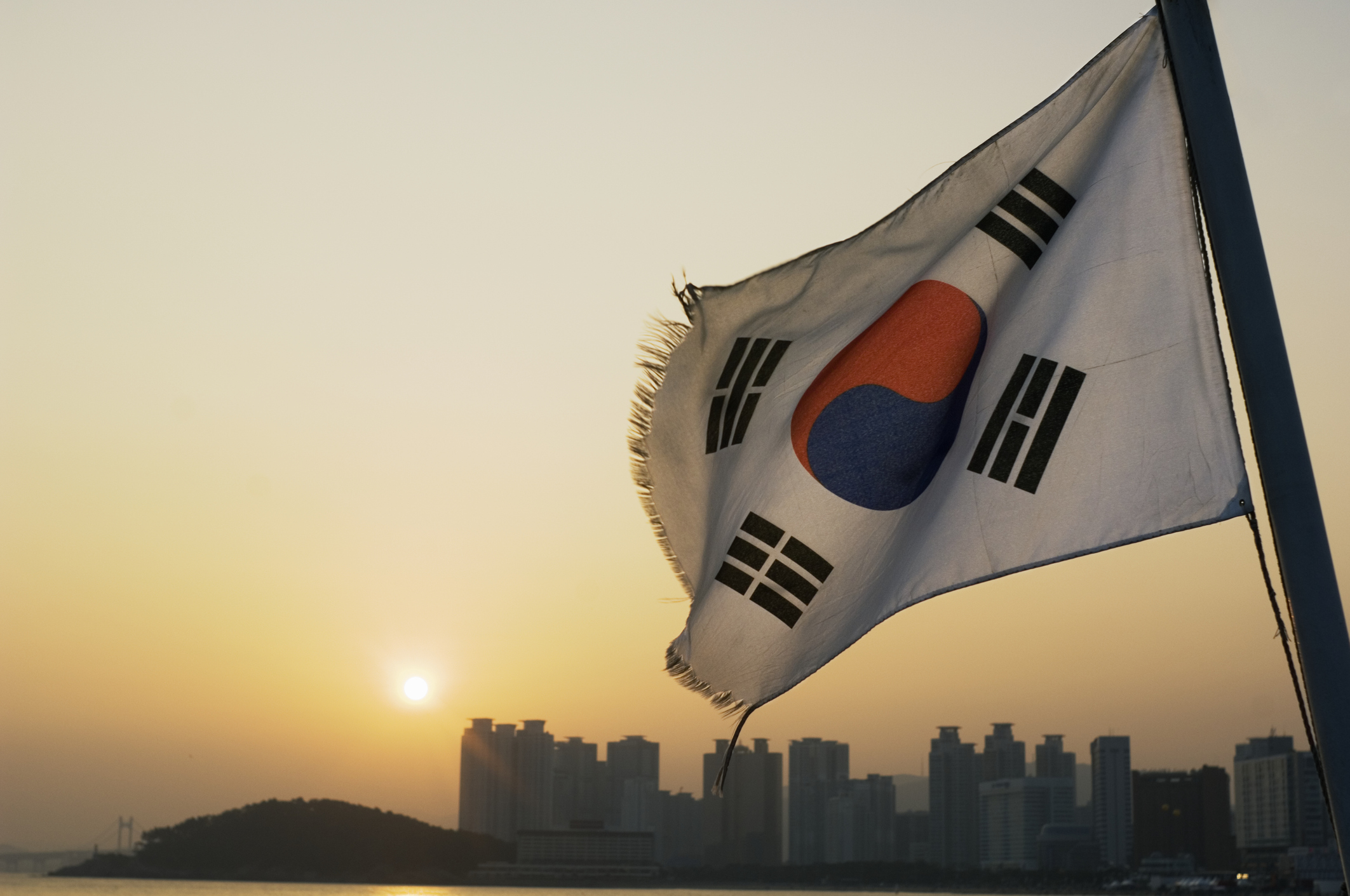
South Korea has implemented a revised law aimed at combating online disinformation, significantly increasing penalties for repeat offenders. The legislation, which took effect on Tuesday, has raised concerns among journalists and civil liberties advocates regarding potential impacts on freedom of expression. The updated law seeks to address the spread of false information online, a growing challenge in the digital age. While the government emphasizes its intention to curb harmful content, critics fear the broad scope of the legislation could be used to suppress legitimate dissent or critical reporting. The Association of Korean Journalists has issued warnings about the risks of censorship, urging for careful implementation to protect journalistic integrity and public discourse. The revised penalties are intended to deter individuals and groups from repeatedly disseminating false news, but the specifics of enforcement and the definition of 'fake news' remain points of contention. This development in South Korea highlights the ongoing global debate surrounding the balance between regulating online content and safeguarding fundamental freedoms.
The implementation of stricter penalties for online disinformation in South Korea reflects a global trend of governments grappling with the challenges of regulating digital content. While the stated aim is to combat 'fake news,' the potential for such laws to be leveraged for censorship or to stifle legitimate criticism is a significant concern. The effectiveness of punitive measures in deterring disinformation is often debated, with some arguing that educational initiatives and platform accountability may offer more sustainable solutions. Future developments will likely depend on how these laws are interpreted and enforced, and whether mechanisms are in place to ensure transparency and protect freedom of speech, particularly in the context of an increasingly AI-driven information landscape where distinguishing truth from falsehood can become even more complex.
AI-generated to prompt reflection — not editorial opinion, not advice, not a statement of fact. How this works.