South Korea Grapples with AI-Driven Stock Market Volatility
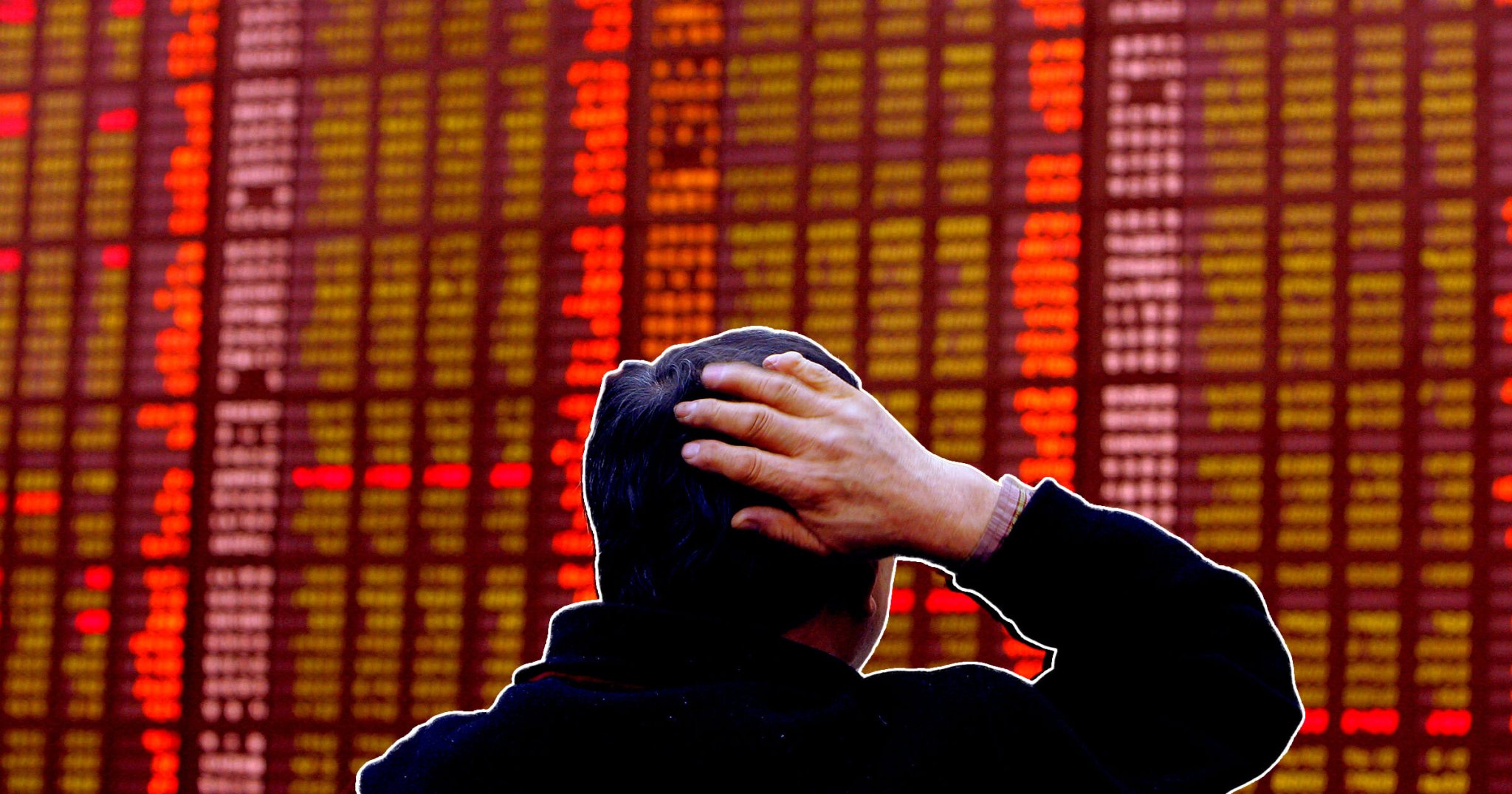
South Korean authorities are reportedly working to stabilize the nation's stock market, which has become highly volatile due to the influence of artificial intelligence (AI) trends. The situation has been described by some as resembling a "casino," indicating extreme fluctuations and speculative trading. This surge in AI-related investments has created significant market instability, prompting regulatory concern. The government is now scrambling to implement measures to mitigate the risks associated with this rapid AI-driven market activity. The focus is on preventing a potential bubble and protecting investors from substantial losses. The exact nature of the measures being considered or implemented has not been detailed, but the urgency reflects the challenges of managing a market influenced by rapidly evolving technological advancements. This situation highlights the broader global challenge of regulating and managing financial markets in the age of AI.
AI's rapid integration into financial markets presents a dual-edged sword, fostering innovation while simultaneously introducing new systemic risks. The South Korean situation exemplifies the challenge of balancing speculative investment driven by technological hype with the need for market stability. Authorities face the complex task of discerning genuine technological advancement from speculative bubbles, requiring sophisticated regulatory frameworks that can adapt to the pace of AI development. Overly restrictive measures could stifle legitimate innovation, while insufficient oversight risks significant economic fallout. The long-term implication involves developing adaptive governance models that can anticipate and manage the disruptive potential of AI in finance, ensuring that technological progress translates into sustainable economic growth rather than volatile speculation.
AI-generated to prompt reflection — not editorial opinion, not advice, not a statement of fact. How this works.