South Korea Issues Unprecedented Heatwave Alert
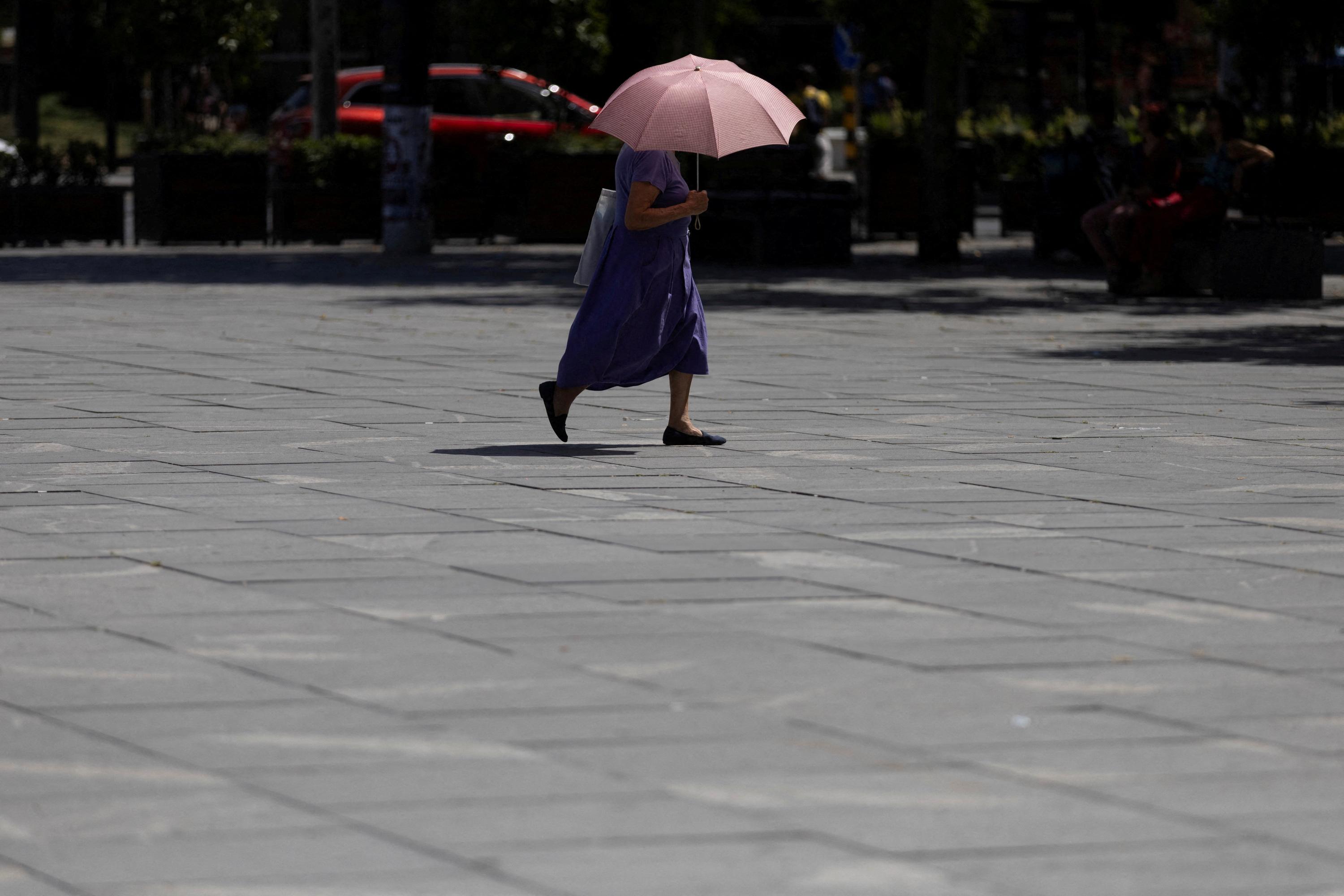
South Korea has issued an unprecedented maximum alert for severe heatwaves. This alert is triggered when a region experiences a heat index of at least 35°C for two consecutive days. Additionally, the forecast must predict temperatures exceeding 39°C for at least one subsequent day. This measure highlights the extreme weather conditions the country is currently facing. The alert system is designed to warn the public and mobilize resources to mitigate the impact of the intense heat. Authorities are likely implementing emergency protocols to ensure public safety and manage potential health risks associated with the high temperatures. This situation underscores the growing challenges posed by climate change and extreme weather events globally.
The issuance of an unprecedented heatwave alert in South Korea signifies a critical juncture in the nation's response to escalating climate impacts. This extreme measure, triggered by specific temperature thresholds and forecasts, reflects a systemic vulnerability to heat stress. The alert's activation suggests that current infrastructure and public health systems may be nearing their capacity to manage such prolonged and intense heat events. Looking ahead, this situation necessitates a re-evaluation of urban planning, public health preparedness, and energy grid resilience to adapt to a future characterized by more frequent and severe heatwaves. The long-term challenge involves integrating climate adaptation strategies into national policy to safeguard citizens and critical services.
AI-generated to prompt reflection — not editorial opinion, not advice, not a statement of fact. How this works.