South Korea Must Re-evaluate Alliances in the Evolving NATO 3.0 Era
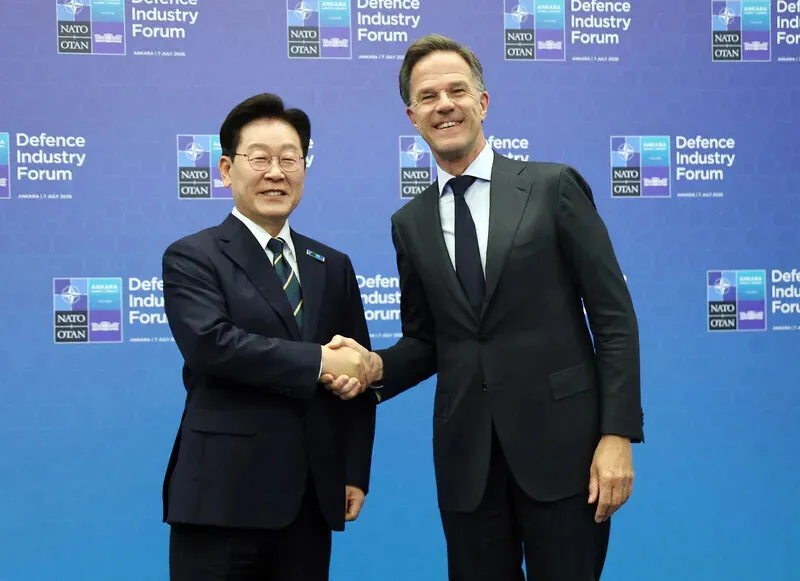
The current geopolitical landscape, characterized by the emergence of 'NATO 3.0,' necessitates a strategic re-evaluation of South Korea's alliance framework. This evolving international order demands that Seoul proactively consider the future trajectory of its partnerships. The concept of NATO 3.0 suggests a significant shift in global security dynamics, prompting a need for South Korea to adapt its foreign policy and defense strategies accordingly. This period requires a forward-thinking approach to ensure national security and maintain regional stability. The editorial emphasizes that South Korea cannot afford to remain passive in the face of these transformations. A comprehensive assessment of existing alliances and potential new partnerships is crucial. This includes understanding the implications of shifting global power balances and the rise of new security challenges. The future of alliances will likely be shaped by technological advancements, economic interdependence, and the changing nature of conflict. Therefore, South Korea must engage in strategic foresight to navigate these complexities effectively. The nation's long-term security interests depend on its ability to anticipate and respond to these evolving global trends.
The advent of 'NATO 3.0' signifies a potential recalibration of global security architectures, moving beyond traditional collective defense to encompass broader challenges like cyber threats, hybrid warfare, and technological competition. For South Korea, this era presents an opportunity to deepen its strategic autonomy by critically assessing how its existing security arrangements align with these new realities. Rather than solely relying on established bilateral pacts, Seoul may explore more flexible, multi-dimensional partnerships that enhance its resilience and diplomatic leverage. This strategic introspection should focus on identifying potential vulnerabilities and opportunities arising from evolving geopolitical fault lines and technological paradigms, ensuring that national security policy remains adaptive and future-oriented.
AI-generated to prompt reflection — not editorial opinion, not advice, not a statement of fact. How this works.