South Korea Nearly Shot Down US Drone Due to Communication Glitch
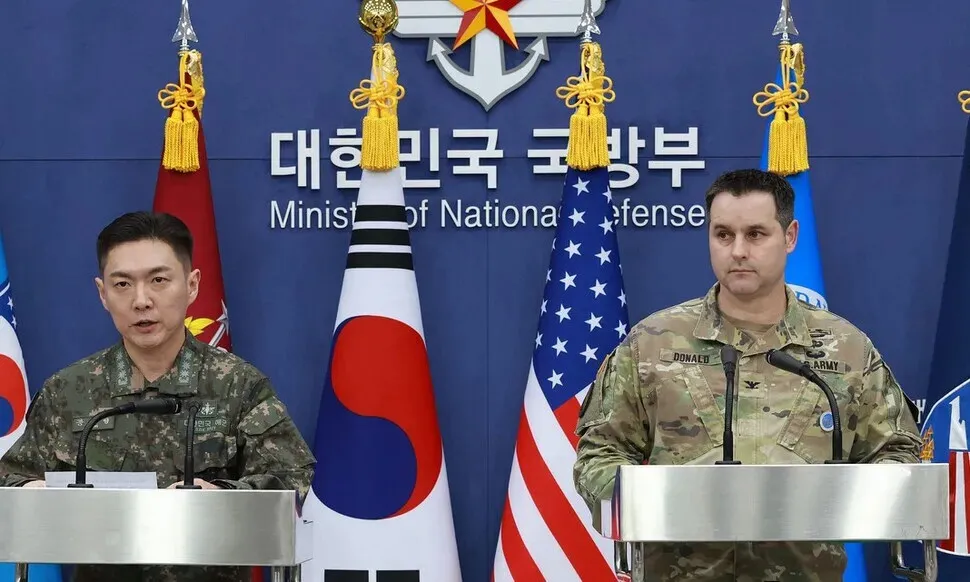
South Korea's military came close to shooting down a U.S. drone due to a significant communication failure. The incident occurred when the drone entered South Korean airspace without proper authorization or communication. South Korean forces detected the unidentified aircraft and, lacking clear communication channels to verify its identity or mission, initiated procedures that could have led to its destruction. This near-miss highlights critical vulnerabilities in military coordination and communication protocols between allied forces operating in close proximity. The U.S. drone was reportedly on a reconnaissance mission when the communication breakdown happened. Following the incident, both South Korean and U.S. military officials have initiated a joint review to understand the exact cause of the communication failure and to implement corrective measures. The goal is to prevent similar dangerous misunderstandings from occurring in the future, ensuring seamless and secure operations between the two nations' air assets. This event underscores the importance of robust and reliable communication systems in maintaining deconfliction and preventing accidental escalations in a sensitive geopolitical region.
This incident reveals a critical vulnerability in the communication infrastructure and protocols between allied military forces, particularly in high-stakes environments. The near-miss underscores the potential for technical failures or procedural gaps to create dangerous escalations, even between partners. Future efforts should focus on developing more resilient, multi-channel communication systems and standardized deconfliction procedures that account for potential network disruptions or human error. The reliance on single points of communication or outdated protocols could pose significant risks in an era of rapid technological advancement and complex geopolitical challenges, necessitating a proactive approach to system modernization and inter-operability testing.
AI-generated to prompt reflection — not editorial opinion, not advice, not a statement of fact. How this works.
