South Korea Overhauls 70-Year Legal System, Separating Investigations and Prosecutions
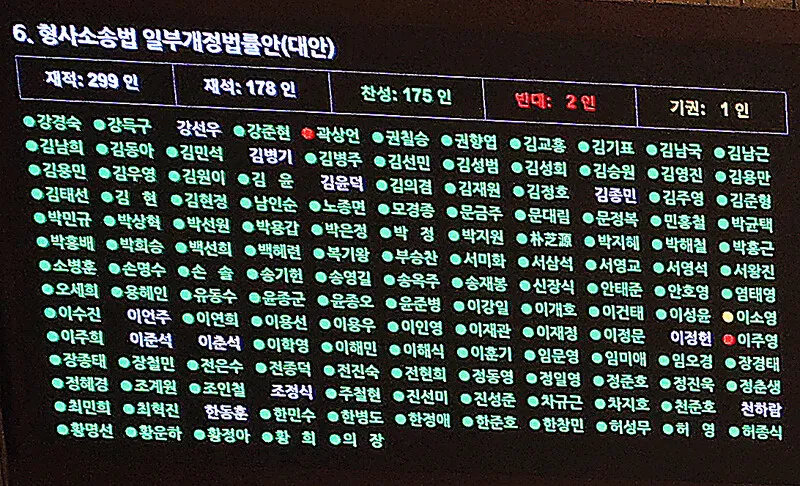
South Korea has completed a significant overhaul of its legal system, a process that has been underway for approximately one year. This reform fundamentally changes the judicial framework that has been in place for over 70 years. The core of this transformation is the separation of investigative and prosecutorial powers. Previously, prosecutors held significant authority over both aspects of the legal process. This change aims to create a more balanced system by dividing these distinct functions. The transition period was marked by considerable debate and challenges, reflecting the magnitude of the changes being implemented. The new structure is expected to impact how criminal cases are handled from the initial investigation through to prosecution. This marks a pivotal moment in the evolution of South Korea's justice system, moving away from a long-standing model towards a new paradigm.
The restructuring of South Korea's judicial system, separating investigative and prosecutorial roles after seven decades, addresses potential conflicts of interest and power imbalances inherent in a consolidated system. This move aligns with global trends toward specialized functions within law enforcement and judiciary, aiming to enhance accountability and reduce the risk of undue influence. The year-long deliberation indicates the complexity of reallocating authority and the need for robust checks and balances in the new framework. Future evaluations will likely focus on the efficiency of case processing, the protection of individual rights, and the prevention of power consolidation in either the investigative or prosecutorial branches, particularly in the context of evolving societal demands and technological advancements in evidence gathering.
AI-generated to prompt reflection — not editorial opinion, not advice, not a statement of fact. How this works.