South Korea: Prosecutors Seek 5-Year Sentence for President Yoon Suk Yeol in Chae Sang-byeong Case
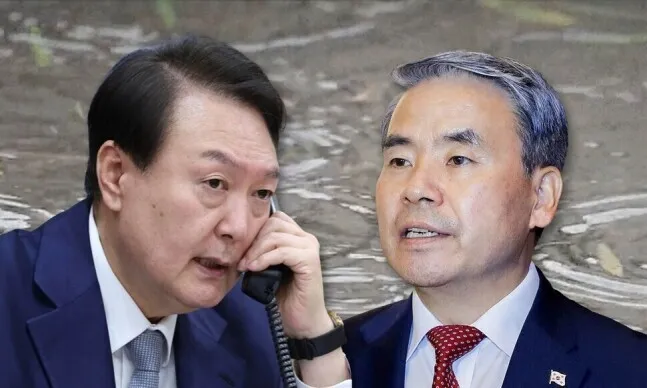
Prosecutors are seeking a five-year prison sentence for South Korean President Yoon Suk Yeol in connection with the death of Corporal Chae Sang-byeong. The charges stem from allegations that President Yoon appointed former Defense Minister Lee Jong-sup to an ambassadorship as a means to evade a military investigation. Corporal Chae Sang-byeong died in August 2023 during a search and rescue operation for flood victims in a region affected by Typhoon Khanun. The case has drawn significant public attention and political scrutiny. The prosecution's request for a harsh sentence indicates the seriousness with which they view the alleged obstruction of justice. This development marks a critical juncture in the ongoing investigation and its implications for the presidency. The defense is expected to present its arguments in the upcoming proceedings. The outcome of this case could have significant repercussions for President Yoon's administration and the broader political landscape in South Korea. The legal process will now move forward with further hearings and a potential verdict.
This legal action against President Yoon Suk Yeol, concerning the death of Corporal Chae Sang-byeong and the appointment of Lee Jong-sup, highlights a critical tension between executive authority and accountability. The prosecution's demand for a five-year sentence suggests a belief that the appointment was intended to obstruct justice, a serious charge that could impact the perceived integrity of governance. Examining this through a future-oriented lens, such events underscore the increasing public demand for transparency and robust checks and balances, particularly in contexts involving military personnel and potential cover-ups. The case will likely influence how future appointments are scrutinized and the perceived independence of investigative bodies when dealing with high-ranking officials, potentially shaping norms around executive discretion and legal oversight in the coming decade.
AI-generated to prompt reflection — not editorial opinion, not advice, not a statement of fact. How this works.