South Korea Pursues Sovereign AI for Cybersecurity Amid Foreign Tech Risks
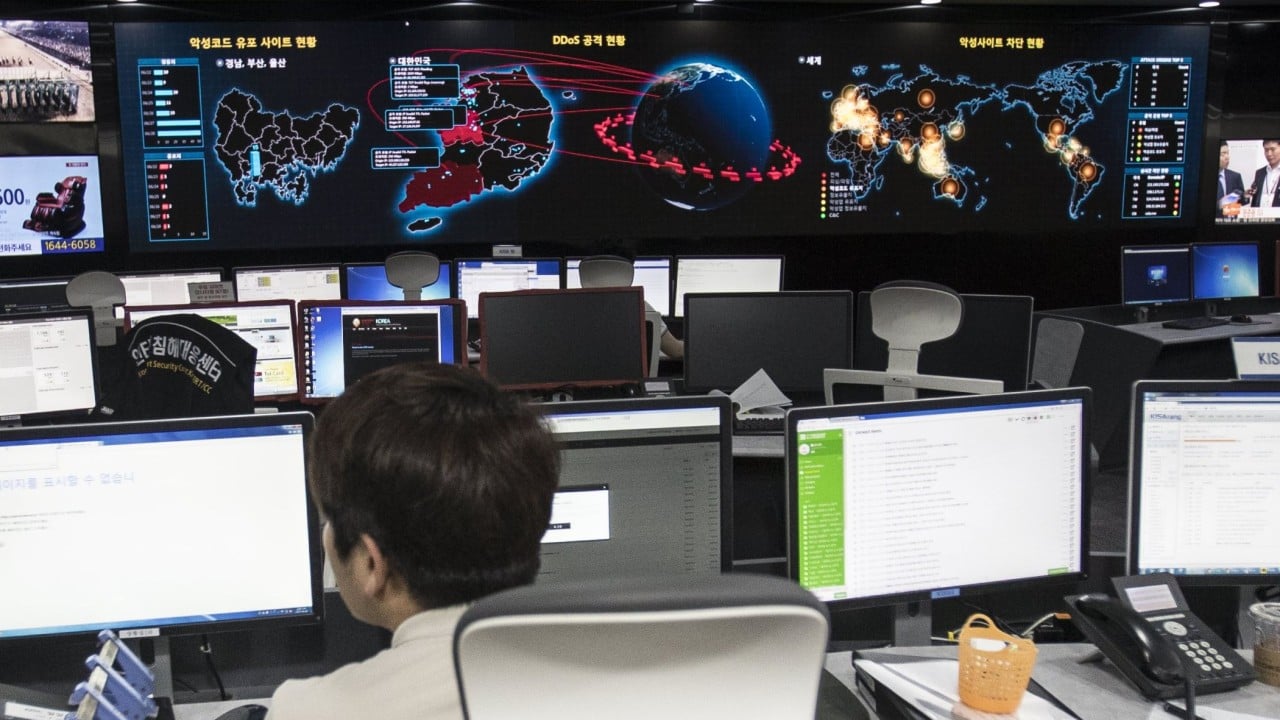
South Korea is accelerating plans to develop its own artificial intelligence model specifically for cybersecurity by the end of 2024. This initiative was spurred by recent restrictions on advanced AI systems imposed by the United States, which highlighted the vulnerabilities associated with depending on foreign technology for national cyber defense. While the immediate goal is a cybersecurity-focused AI, Seoul harbors a more ambitious long-term vision: to create a frontier AI model capable of competing on a global scale. However, analysts indicate that achieving this ambitious goal will necessitate overcoming significant challenges. These include a persistent deficit in AI software development, limitations in computing power, and difficulties in executing large-scale AI training.
South Korea's strategic pivot towards developing a sovereign AI model for cybersecurity reflects a broader global trend of nations seeking technological independence, particularly in critical defense sectors. The reliance on foreign AI systems, as highlighted by recent US export controls, presents inherent geopolitical risks and potential vulnerabilities. The nation's ambition to build a frontier model underscores the desire to not only secure its digital infrastructure but also to compete at the forefront of AI innovation. However, the identified gaps in software, computing capacity, and training data present substantial hurdles. Addressing these requires significant investment in research and development, talent cultivation, and potentially international collaboration under carefully managed terms. This pursuit necessitates a long-term vision that balances national security imperatives with the realities of global AI development ecosystems and the rapid pace of technological advancement.
AI-generated to prompt reflection — not editorial opinion, not advice, not a statement of fact. How this works.