South Korea Rejects US House Report's Claims on E-commerce Giant Coupang
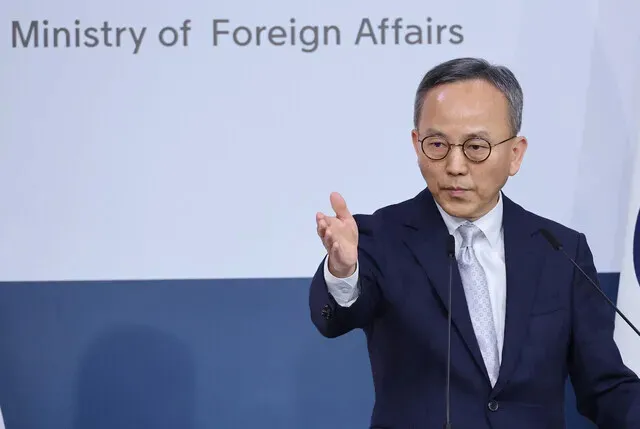
South Korea's Ministry of Trade, Industry and Energy (MOTIE) has strongly refuted claims made in a report by the U.S. House of Representatives Select Committee on the Chinese Communist Party. The report, released on June 20, 2024, alleged that Coupang, a major South Korean e-commerce company, facilitated the sale of counterfeit goods and engaged in unfair trade practices. MOTIE stated that the report's assertions are "one-sided" and lack sufficient evidence. The ministry emphasized that Coupang operates in compliance with South Korean laws and regulations, including those pertaining to consumer protection and intellectual property rights. South Korea has requested the U.S. committee to provide concrete evidence to support its allegations. MOTIE also indicated that it is reviewing the report's content and will take appropriate measures if necessary to protect its companies. The U.S. report focused on alleged links between Chinese sellers on e-commerce platforms and the proliferation of illicit goods, including counterfeit items and products that violate sanctions. Coupang, which is listed on the New York Stock Exchange, has been a significant player in the Asian e-commerce market, known for its rapid delivery services.
The South Korean government's pushback against the U.S. House report highlights potential geopolitical and economic friction points that can arise when national regulatory bodies and international business operations intersect. The assertion of "one-sided" claims suggests a divergence in how evidence is interpreted or prioritized, possibly influenced by differing national interests or domestic political considerations within the U.S. The situation underscores the importance of robust, transparent, and internationally recognized compliance frameworks for global e-commerce platforms. As digital trade continues to expand, the need for standardized dispute resolution mechanisms and mutual recognition of regulatory standards will become increasingly critical to prevent such intergovernmental disputes and ensure fair market access for businesses operating across borders.
AI-generated to prompt reflection — not editorial opinion, not advice, not a statement of fact. How this works.