South Korea Reviews Logistics Center Fire Safety Standards Amidst US Practices
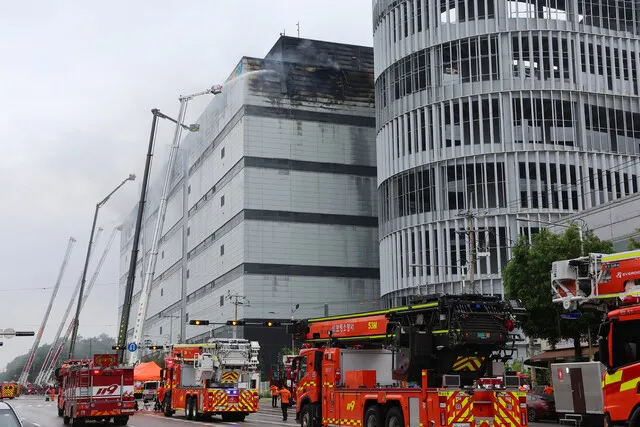
The South Korean government is currently reviewing fire safety standards for logistics centers. This review is being conducted in light of practices observed in the United States, where sprinkler systems are installed more densely in areas deemed higher risk. The comparison highlights a potential area for improvement in South Korea's existing regulations. The goal is to enhance the safety of these critical infrastructure facilities. Specific details regarding the current South Korean standards or the proposed changes were not provided in the original text. However, the mention of the US system suggests a focus on performance-based standards that adapt to risk levels. This initiative comes at a time when logistics centers are increasingly vital to the economy. Ensuring their safety against fire hazards is paramount to maintaining supply chain stability. The government's proactive stance indicates a commitment to preventing potential disasters. Further details on the review process and any resulting policy updates are anticipated.
The South Korean government's review of logistics center fire safety standards, drawing parallels with US practices, suggests a potential recalibration of regulatory frameworks to align with evolving risk management strategies. This initiative may reflect an awareness of the increasing scale and operational complexity of modern logistics hubs, which present unique fire safety challenges. By considering a system where sprinkler density correlates with risk, South Korea could be exploring a more dynamic and effective approach to hazard mitigation. Such a move could optimize resource allocation for safety measures, ensuring that the most critical areas receive the highest level of protection. This forward-looking perspective on infrastructure resilience is crucial in an era where supply chain disruptions can have far-reaching economic consequences.
AI-generated to prompt reflection — not editorial opinion, not advice, not a statement of fact. How this works.