South Korea's Arms Exports: A Contradiction in Peace Advocacy?
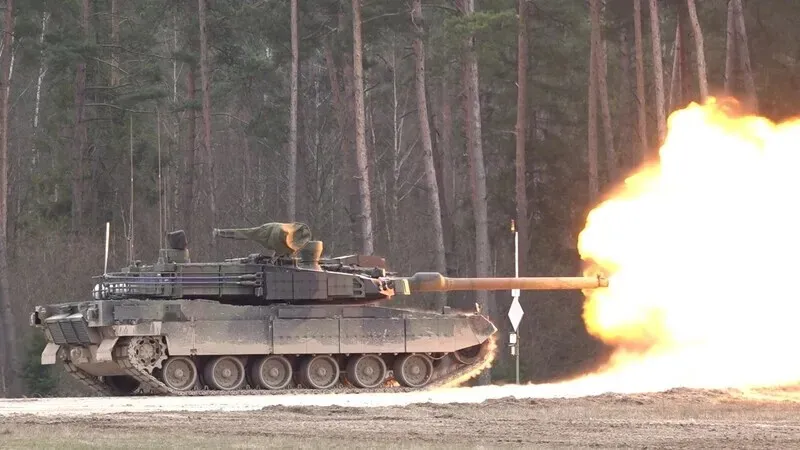
This column questions whether South Korea can credibly advocate for peace on the international stage while simultaneously engaging in the global arms trade. The author highlights the inherent tension between promoting peace and profiting from the sale of instruments of war. This raises fundamental questions about the nation's foreign policy objectives and its role in global security. The piece suggests that a nation's commitment to peace may be undermined by its economic interests in the defense industry. It prompts a deeper examination of the ethical and strategic implications of South Korea's dual role as a peace advocate and an arms exporter. The column implicitly calls for a re-evaluation of national priorities and the potential for a more consistent approach to foreign policy. Ultimately, it challenges readers to consider the broader consequences of such policies on international relations and conflict resolution.
South Korea's strategic position as both a proponent of peace and a significant arms exporter presents a complex geopolitical dynamic. The nation's participation in the global arms market, driven by economic incentives and defense industry development, creates a potential conflict with its diplomatic aspirations for regional stability and de-escalation. This duality necessitates a careful balancing act, where the perceived benefits of arms sales must be weighed against the potential erosion of its credibility as a peace-building nation. Future policy decisions will likely involve navigating these competing interests, potentially through diversified economic strategies or more transparent arms export controls, to align national actions with stated peace objectives in an increasingly interconnected and security-conscious world.
AI-generated to prompt reflection — not editorial opinion, not advice, not a statement of fact. How this works.