South Korea's Criminal Procedure Act Amendment Faces Criticism Over Contradictory Clauses
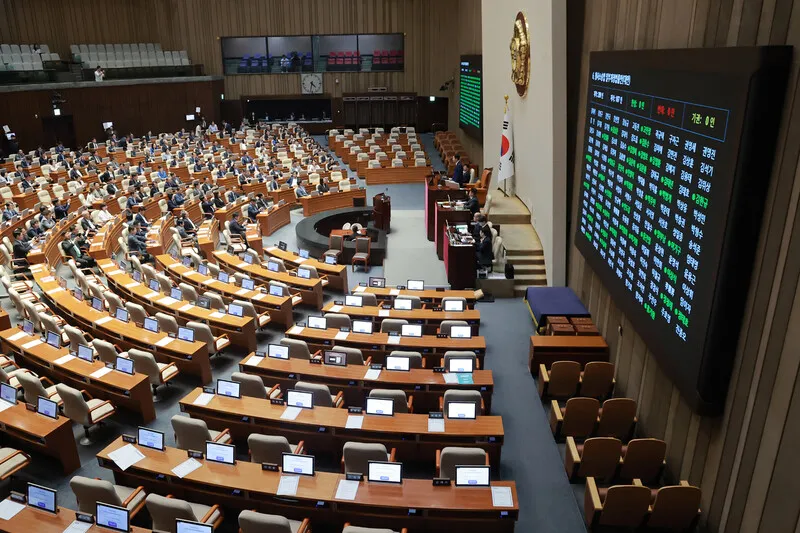
A proposed amendment to South Korea's Criminal Procedure Act is drawing criticism for containing contradictory clauses, particularly concerning the extension of detention periods. Critics question the logic of allowing prosecutors who are unable to complete investigations to request extensions for pre-trial detention. This issue highlights ongoing debates about prosecutorial powers and the balance of rights within the South Korean legal system.
The controversy centers on specific provisions within the amendment that appear to create loopholes or inconsistencies. Legal experts and civic groups have voiced concerns that these ambiguities could undermine the principles of due process and potentially lead to prolonged detentions without sufficient justification. The debate underscores the complex challenges in reforming criminal justice procedures to ensure fairness and efficiency.
Further discussion is expected as lawmakers deliberate on the amendment, with calls for revisions to address the identified inconsistencies. The outcome of this legislative process will be significant for the future of criminal investigations and detention practices in South Korea. Ensuring that legal frameworks are both robust and equitable remains a key objective for the nation's justice system.
The legislative debate surrounding the Criminal Procedure Act amendment reflects a persistent tension in South Korea between the state's investigative needs and individual liberties. The critique regarding prosecutorial discretion in extending detention periods, especially when investigations are stalled, points to potential inefficiencies or strategic delays within the justice system. This situation may incentivize prosecutors to rely on detention as a primary investigative tool rather than developing more advanced forensic or intelligence-gathering methods. As artificial intelligence and data analytics offer new avenues for efficient and less intrusive investigations, legal frameworks must evolve to encourage their adoption, thereby reducing reliance on prolonged pre-trial detention and upholding due process in the digital age.
AI-generated to prompt reflection — not editorial opinion, not advice, not a statement of fact. How this works.