South Korea's Homeplus Hypermarket Chain Collapses Amid Shifting Consumer Habits
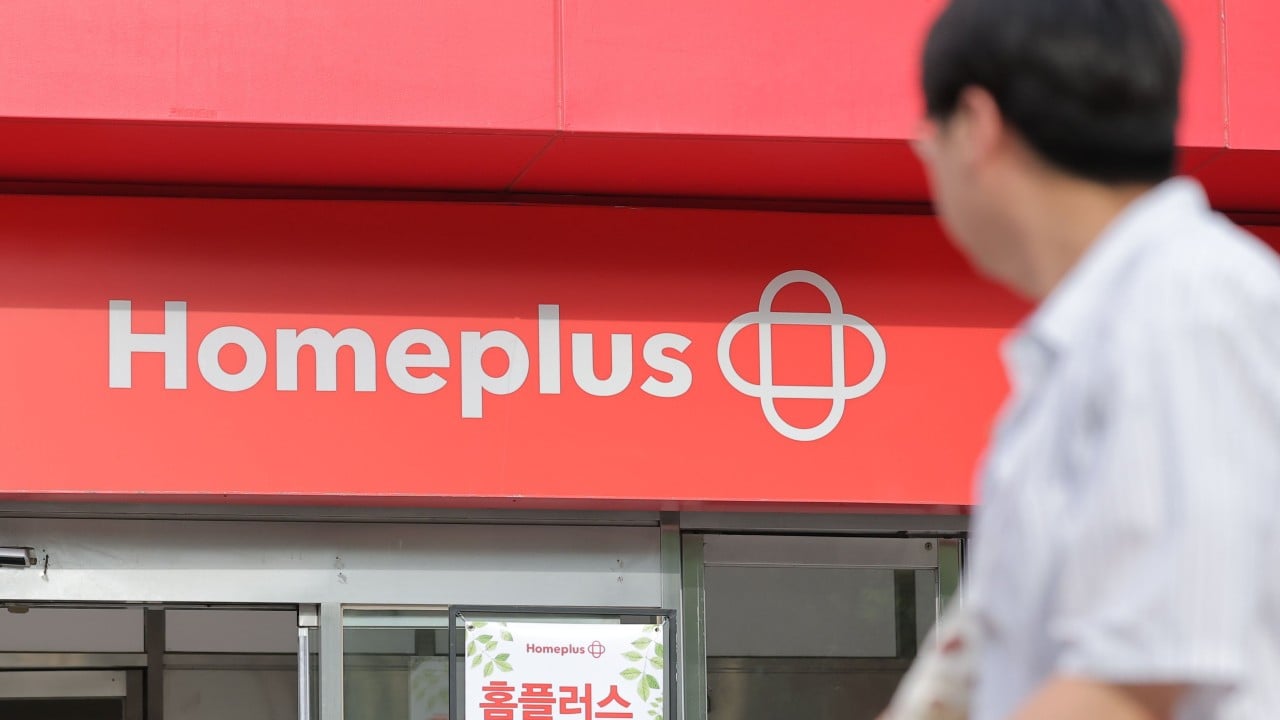
Homeplus, once a dominant retail force in South Korea, has ceased operations, closing its remaining 67 hypermarkets nationwide. This move follows the earlier suspension of 37 other outlets as part of a restructuring effort. For nearly three decades, Homeplus served as a primary shopping destination for millions of South Korean families, offering groceries and household goods. The chain's demise signifies more than just its financial struggles; it highlights a broader shift in consumer behavior. The closure of South Korea's second-largest hypermarket chain underscores the evolving demands of consumers who are increasingly time-poor. This trend has led to a decline in traditional large-format retail experiences, as shoppers seek more convenient and efficient ways to purchase goods. The company's failure reflects a significant change in the South Korean retail landscape.
The collapse of Homeplus, a major South Korean hypermarket chain, illustrates a significant market dynamic: the growing preference for convenience among time-constrained consumers. This shift challenges traditional, large-format retail models that require substantial time commitments. As consumer lifestyles evolve, particularly with increased urbanization and dual-income households, demand for rapid, accessible shopping solutions like online delivery and smaller, specialized stores is likely to intensify. Retailers that fail to adapt their business models to these changing consumer priorities risk obsolescence. Future retail strategies will need to prioritize agility, digital integration, and efficient fulfillment to meet the demands of the modern, time-poor shopper.
AI-generated to prompt reflection — not editorial opinion, not advice, not a statement of fact. How this works.