South Korea's K-Beauty Pushes Boundaries with Exotic Rejuvenation Treatments
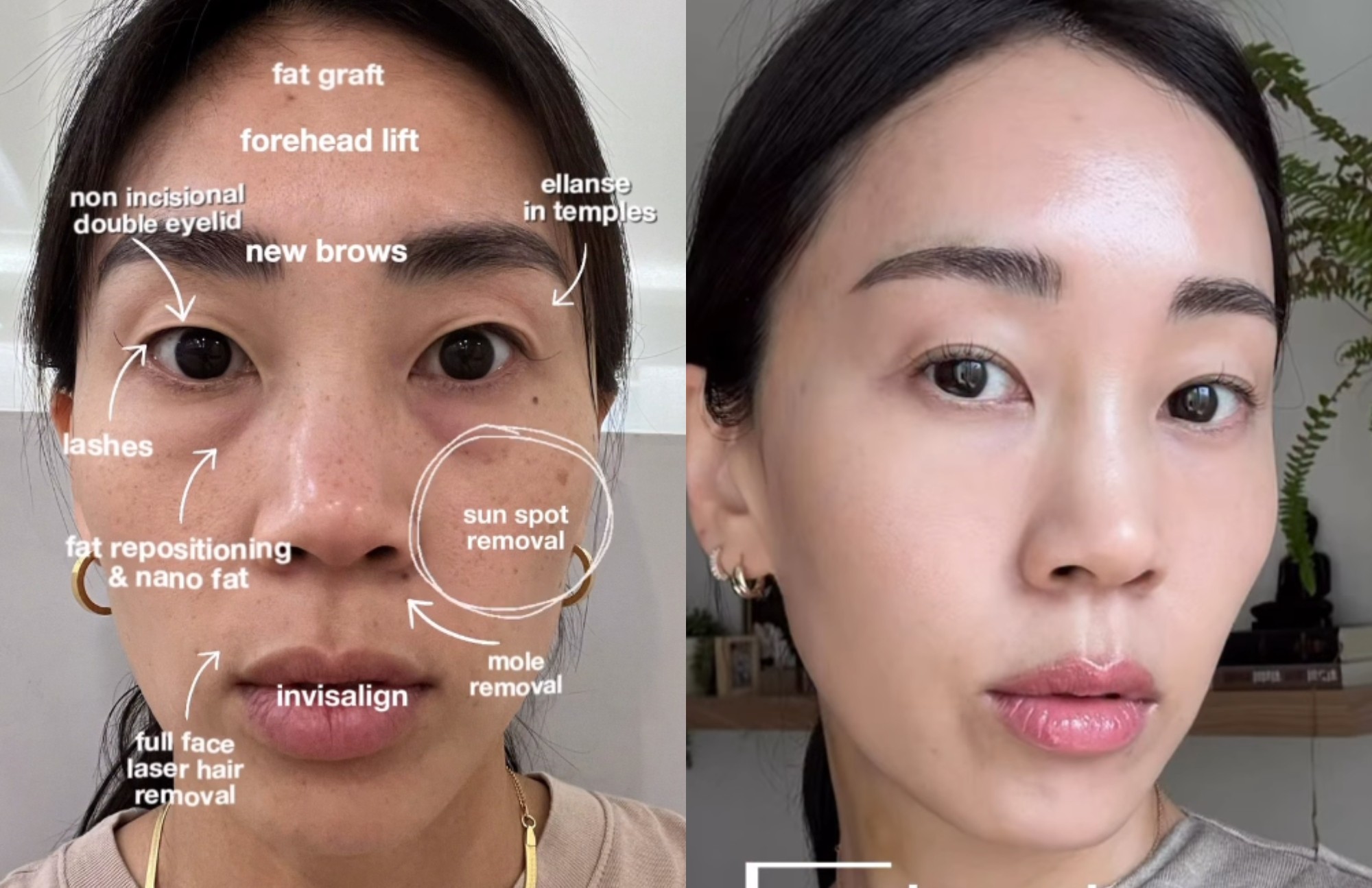
South Korean clinics are offering advanced cosmetic procedures that utilize donated human tissue and salmon DNA, with one treatment, Re2O, costing up to R$ 2.7 thousand per session. Influencer Sara Yoon, 40, shared her experience with these novel treatments, initially finding the concept of using "dead people's skin" from donated tissue surreal. These procedures, popular in Seoul's Gangnam district, aim to reverse signs of aging by stimulating the skin's natural collagen production and, in the case of Re2O, by reconstructing the skin using an extracellular matrix derived from processed human tissue. The Re2O product, developed by biotech firm L&C Bio Co., uses donated human skin from the U.S., processed to remove cells and prevent immune rejection, acting as a scaffold for the body's own cells to grow. Other treatments include Rejuran, made from salmon DNA, and Laetigen, using pig collagen. The demand for these regenerative medical procedures has surged, causing L&C Bio's stock to more than double in the past year, with operational profit increasing by 917% in the first quarter. The company plans to significantly increase its production capacity to meet global demand, with exports already reaching Singapore and Japan, and plans for expansion into Australia, Hong Kong, Russia, Thailand, and the U.S. market. This trend reflects the broader global anti-aging market, projected to reach $150 billion by 2035, driven by Asia's growing income and social media influence. However, ethical questions arise regarding the use of donated tissues for cosmetic purposes potentially diverting them from critical medical applications like burn treatment and reconstruction, highlighting a new frontier in the beauty industry concerning consumer willingness to pay for youthful appearances.
The burgeoning market for advanced cosmetic treatments in South Korea, utilizing novel biological materials like donated human tissue and animal DNA, reflects a significant shift in the beauty industry's focus towards regenerative medicine. This trend is driven by a confluence of factors including an aging global population, rising disposable incomes in key Asian markets, and the pervasive influence of social media. While these treatments offer consumers the allure of reversing visible aging, they also raise complex ethical considerations regarding the allocation of biological resources and the potential for commodifying human biological material. The rapid growth and financial success of companies like L&C Bio underscore the immense market potential, yet also necessitate careful regulatory oversight to ensure safety, efficacy, and equitable access to both cosmetic and essential medical applications of such technologies. Future developments will likely involve navigating the tension between innovation, consumer demand, and the ethical frameworks governing the use of biological resources in an increasingly appearance-conscious global society.
AI-generated to prompt reflection — not editorial opinion, not advice, not a statement of fact. How this works.