South Korea's KOSPI Plummets 35% in 40 Days Amid Semiconductor Stock Sell-off
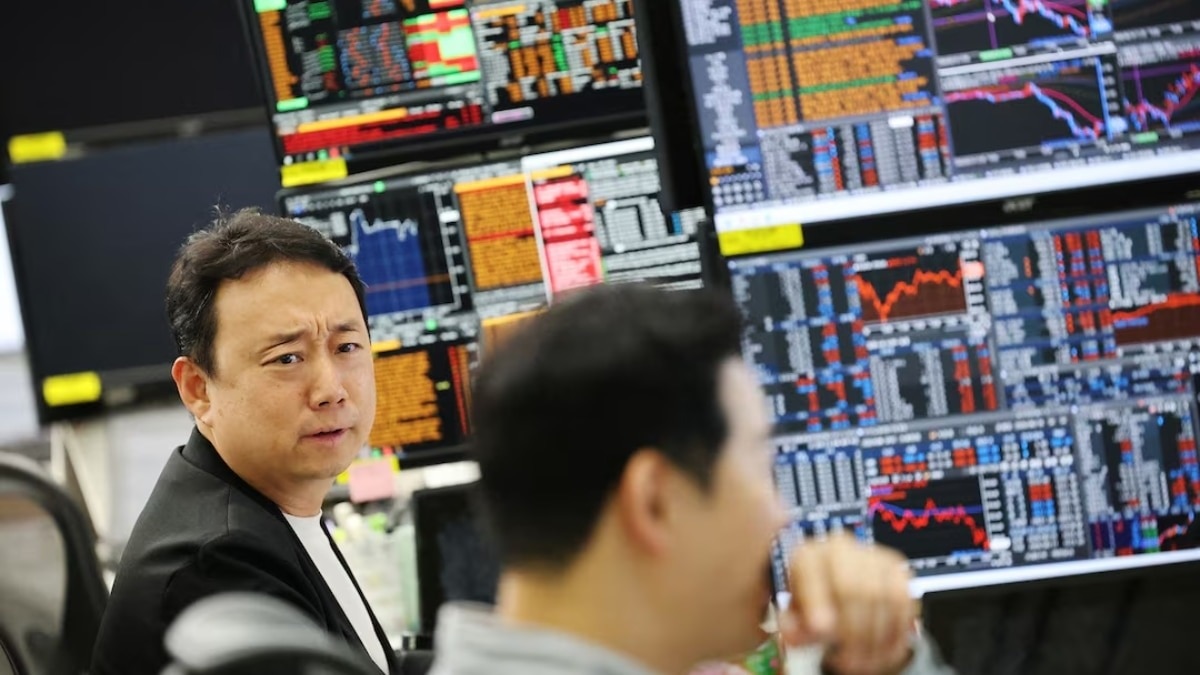
The South Korean stock market has experienced a significant downturn, with the KOSPI index falling by 35% in just 40 days. This sharp decline is primarily attributed to heavy selling pressure in semiconductor and chip stocks. The widespread sell-off has created turmoil in the market, impacting investor confidence. The dramatic drop in the KOSPI index signals considerable distress within the technology sector, which is a major driver of the South Korean economy. Analysts are closely monitoring the situation to understand the broader implications for regional and global markets, including potential impacts on India. The volatility highlights the sensitivity of the market to fluctuations in the crucial semiconductor industry.
The steep decline in South Korea's KOSPI index, driven by a sell-off in semiconductor stocks, underscores the interconnectedness of global technology supply chains and financial markets. Such rapid depreciation suggests that investor sentiment has shifted dramatically, likely in response to macroeconomic headwinds or specific industry challenges impacting semiconductor demand or production. This event prompts consideration of diversification strategies for economies heavily reliant on specific export sectors. The volatility also raises questions about the resilience of markets to concentrated sector-specific shocks and the effectiveness of regulatory frameworks in mitigating systemic risk. Over the next decade, the increasing reliance on advanced semiconductors for AI and other emerging technologies may amplify both the opportunities and the systemic risks associated with this critical industry.
AI-generated to prompt reflection — not editorial opinion, not advice, not a statement of fact. How this works.