South Korea's Sedition Trials Continue Amidst Political Tensions
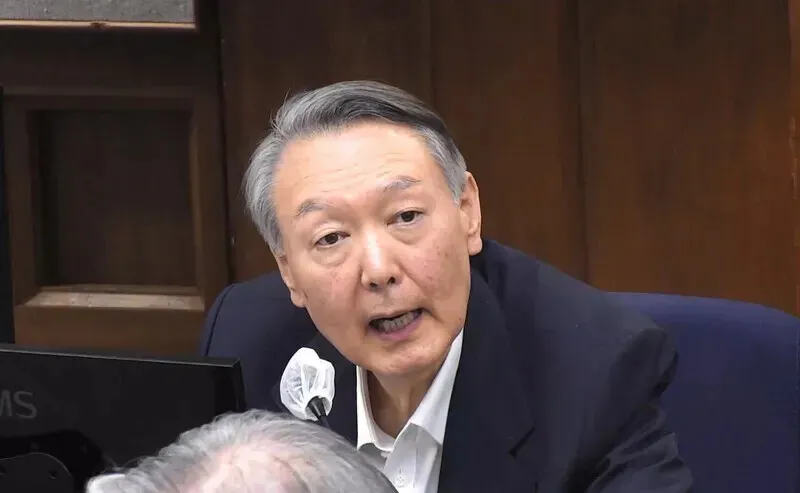
The legal proceedings related to sedition charges in South Korea are still ongoing, indicating persistent political and social divisions within the country. These trials stem from past incidents that have raised questions about freedom of speech, public order, and the interpretation of laws concerning national security. The continuation of these cases highlights the sensitive nature of political dissent and the government's approach to managing it.
Legal experts and civil society groups are closely monitoring the outcomes, as they could set precedents for future cases involving political activism and expression. The trials involve complex legal arguments and have drawn public attention due to their potential impact on democratic freedoms. The government maintains that its actions are necessary for maintaining stability, while critics argue for greater protection of civil liberties. The resolution of these cases is anticipated to influence the broader discourse on political rights in South Korea.
The ongoing sedition trials in South Korea reflect a complex interplay between national security imperatives and the protection of civil liberties. As the nation navigates the challenges of political expression in an era of heightened global scrutiny, these legal processes will likely shape the future balance between state authority and individual freedoms. The outcomes may influence how South Korea's governance framework adapts to evolving societal expectations regarding dissent and public discourse, potentially setting a precedent for other democracies grappling with similar tensions between security and liberty in the coming decade.
AI-generated to prompt reflection — not editorial opinion, not advice, not a statement of fact. How this works.