South Korea's Supreme Court Upholds Ex-President Yoon's 7-Year Sentence for Martial Law
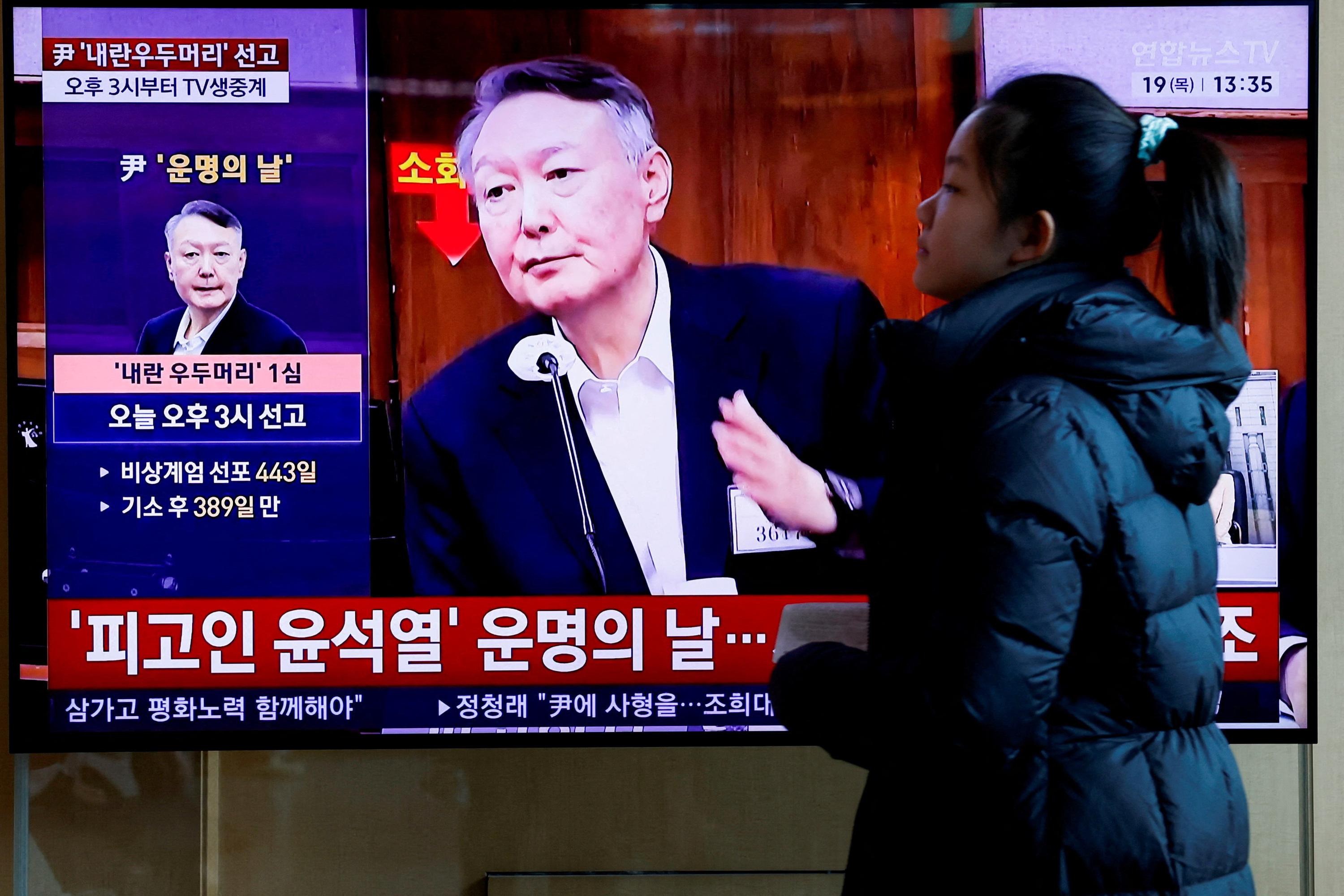
The Supreme Court of South Korea has upheld the seven-year prison sentence for former President Yoon Suk Yeol. The conviction stems from his brief imposition of martial law in 2024. This ruling confirms the lower court's decision, finalizing Yoon's legal repercussions for this action. The former president's term was marked by this controversial decision to enact martial law. The details of the brief period of martial law have been central to the legal proceedings. The Supreme Court's confirmation signifies the final judicial step in this case. Yoon Suk Yeol, having served as president, now faces a significant prison term. The duration of the martial law period, though described as "éphémère" (ephemeral), was sufficient to trigger this severe legal consequence. The nation's highest court has thus rendered its definitive judgment on the matter.
The Supreme Court's confirmation of former President Yoon Suk Yeol's seven-year sentence for imposing martial law in 2024 highlights the critical checks and balances within South Korea's democratic framework. This ruling underscores the potential legal ramifications for executive overreach, even by a former head of state. The judiciary's affirmation of the sentence suggests a stringent interpretation of constitutional limits on emergency powers. Looking ahead, this precedent may influence future executive decision-making during periods of perceived crisis, potentially fostering greater caution in the deployment of extraordinary measures. It also signals the enduring importance of accountability in governance, regardless of past office, within the evolving landscape of democratic institutions facing complex challenges.
AI-generated to prompt reflection — not editorial opinion, not advice, not a statement of fact. How this works.