South Korea to Resume Sending Skilled Workers via Manpower Agencies
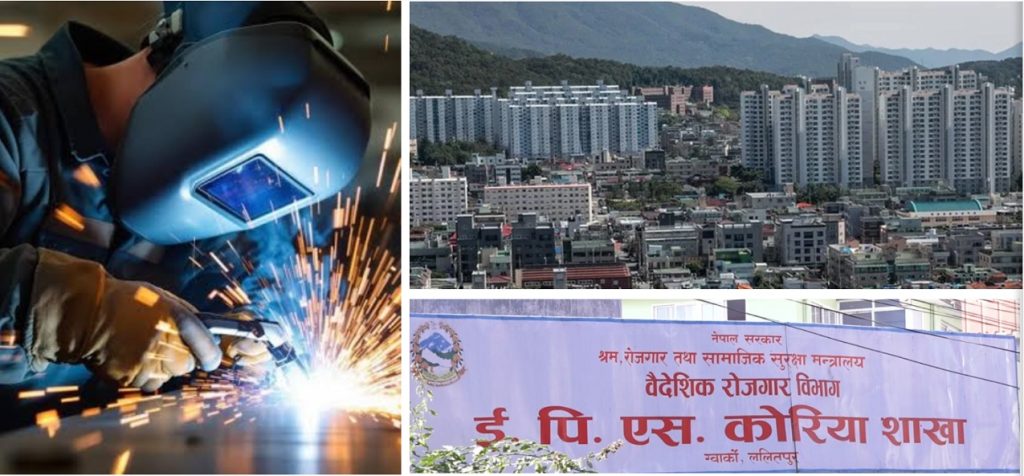
Nepal has restarted the process of sending skilled workers (E-7 visa) to South Korea through manpower agencies. This process was previously halted following a directive from the Commission for Investigation of Abuse of Authority. However, the Ministry of Youth, Employment, and Labor has now resumed the procedure after a recent interim order from the Patan High Court. The ministry has communicated with the Ministry of Foreign Affairs regarding the dispatch of skilled Nepali workers under the E-7 visa to South Korea. This development signifies a potential reopening of pathways for Nepali professionals seeking employment in specialized roles within South Korea. The involvement of manpower agencies in this process has been a subject of scrutiny, leading to the initial suspension. The interim court order suggests a re-evaluation of the previous directive and a potential path forward for the program. Further details on the specific requirements and the number of workers to be sent are expected to be clarified as the process moves ahead.
The resumption of sending skilled workers to South Korea via manpower agencies, following a judicial intervention, highlights the complex interplay between governmental oversight, judicial review, and labor export policies. The initial halt by the Commission for Abuse of Authority suggests concerns regarding the integrity or fairness of the manpower agency system. The Patan High Court's interim order indicates a potential legal challenge to the suspension, possibly emphasizing due process or the economic implications of blocking labor channels. This situation underscores the need for transparent and accountable mechanisms in international labor recruitment to protect worker rights while facilitating economic opportunities. Future policy may need to balance regulatory control with efficient processing to ensure both worker welfare and national economic interests in the context of a globalized, AI-driven labor market.
AI-generated to prompt reflection — not editorial opinion, not advice, not a statement of fact. How this works.