South Korea Urges US to Maintain 15% Tariff Cap Amid New 12.5% Levy
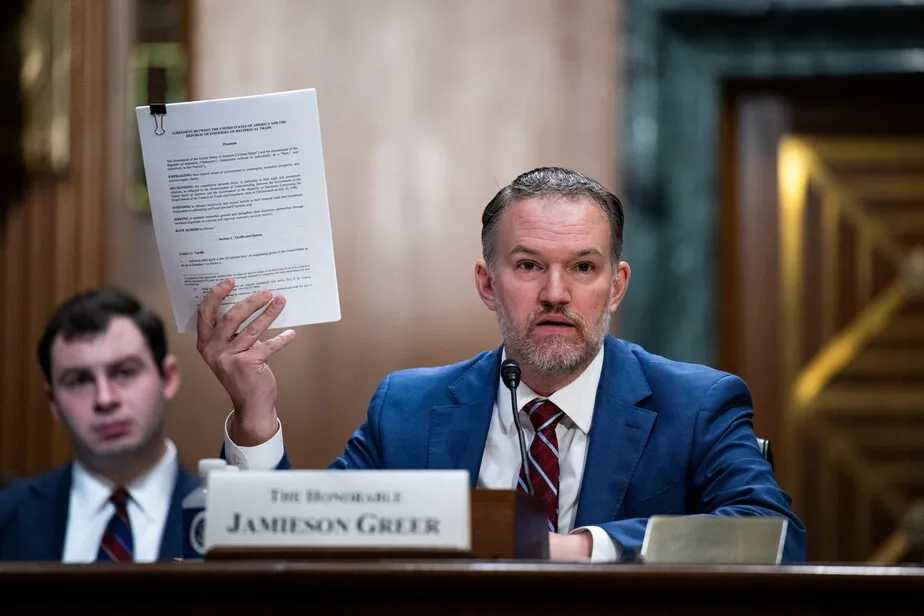
South Korea's government is calling on the United States to uphold its commitment to a 15% tariff ceiling, following the US's imposition of a new 12.5% tariff. This move by the US has raised concerns within South Korea about potential future increases and their impact on the national economy. The Ministry of Economy and Finance stated that the government is closely monitoring the situation and is preparing measures to mitigate any negative consequences. Officials emphasized the importance of predictability in international trade relations and expressed hope that the US will adhere to the previously agreed-upon tariff limits. The new tariff is expected to affect various South Korean export products, although specific details on the affected sectors are still emerging. The government plans to engage in diplomatic channels to discuss the matter further with US counterparts. The focus remains on safeguarding the competitiveness of South Korean industries in the global market and ensuring stable trade flows. This situation highlights the ongoing challenges in managing trade relationships amidst evolving global economic policies.
The US decision to implement a new 12.5% tariff, even while maintaining a stated 15% 'cap,' introduces uncertainty into bilateral trade dynamics. This action may signal a shift in US trade policy, potentially prioritizing domestic industry protection over established international agreements or predictability. South Korea's response underscores the importance of clear tariff structures for economic planning and competitiveness. The situation warrants scrutiny of the underlying economic and political incentives driving US trade actions and their potential to destabilize global supply chains. This event could foreshadow a broader trend of protectionist measures, challenging the principles of free trade and requiring strategic adaptation from export-dependent economies in the coming decade.
AI-generated to prompt reflection — not editorial opinion, not advice, not a statement of fact. How this works.