South Korean Democrats Face Internal Divisions Amidst Unity Push
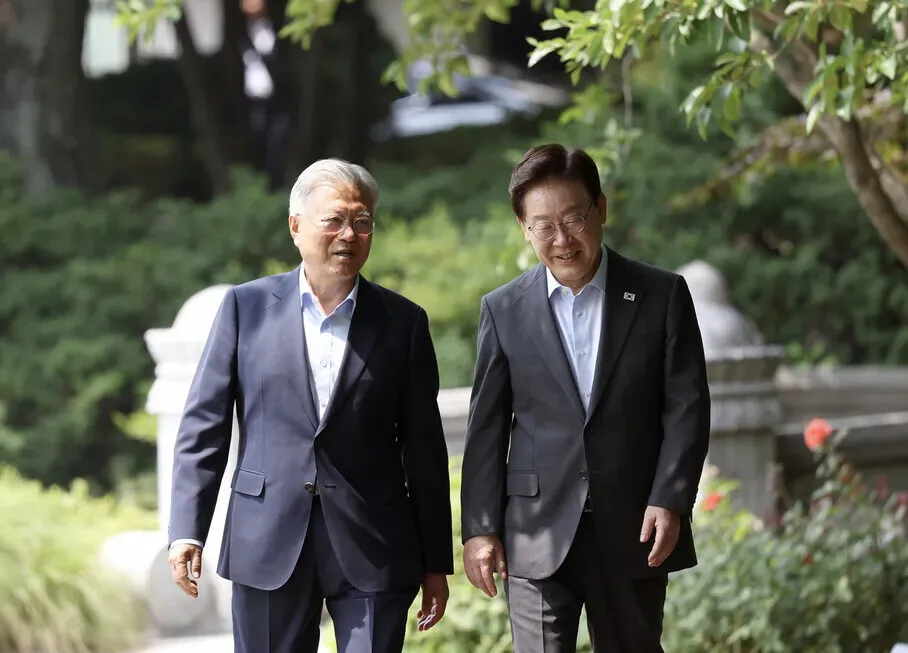
The Democratic Party in South Korea is grappling with internal divisions, despite efforts by prominent figures like Lee Jae-myung and Moon Jae-in to foster unity. Lee Jae-myung, the party leader, and former President Moon Jae-in are reportedly working to bridge ideological gaps and reconcile factions within the party. This push for unity comes at a critical juncture for the Democrats, as they aim to regain public trust and prepare for future electoral challenges. The party has faced significant setbacks in recent elections, leading to introspection and a desire for stronger cohesion. However, deep-seated disagreements on policy and strategy continue to pose obstacles. Observers are closely watching whether the influence of senior figures like Moon can effectively mend these rifts. The success of this unity initiative is seen as crucial for the Democratic Party's ability to present a united front and effectively challenge the ruling party. The outcome of these internal discussions will likely shape the party's direction and its chances of electoral success in the coming years.
The internal dynamics within South Korea's Democratic Party highlight the persistent challenge of reconciling diverse ideological viewpoints within a major political organization. Efforts by party leadership, including Lee Jae-myung and former President Moon Jae-in, to engineer consensus reflect a strategic imperative to consolidate power and enhance electoral viability. However, the underlying tensions suggest a potential disconnect between the party's established factions and the evolving political landscape. The effectiveness of top-down unity initiatives will be tested against the organic pressures of policy debates and constituent demands. This situation underscores a broader trend in democratic politics where maintaining party discipline and ideological coherence requires continuous adaptation to internal and external forces, particularly in the context of an increasingly polarized electorate and the long-term implications of technological and societal shifts.
AI-generated to prompt reflection — not editorial opinion, not advice, not a statement of fact. How this works.